
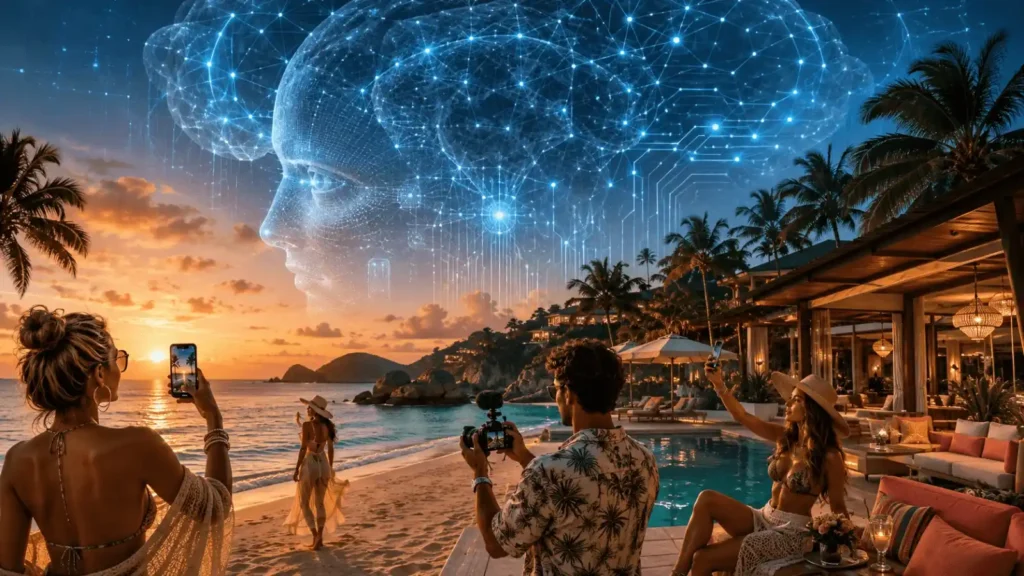
OpenAI recently hosted its first-ever luxury brand trip for high-profile creators, a marketing maneuver that has quickly ignited a firestorm of controversy across social media platforms. As the artificial intelligence sector faces mounting scrutiny over data provenance and its impact on human labor, the optics of courting digital creators with all-expenses-paid luxury retreats have proven highly combustible. The decision to host the event has resulted in a scenario where influencers draw backlash from their own communities and the broader public, who view the partnership as a tone-deaf escalation in the ongoing tension between human creativity and machine-generated content.
Reported first by Dominic-Madori Davis in TechCrunch, the exclusive gathering was designed to familiarize prominent internet personalities with OpenAI’s suite of tools, including its flagship ChatGPT models and media generation APIs. Historically, brand trips have served as a standard marketing mechanism in the consumer goods and beauty industries, utilized to generate massive organic reach and cultivate brand loyalty. However, applying this playbook to an AI research and deployment company—particularly one embroiled in debates over the unauthorized use of copyrighted human works for model training—has struck a nerve. The situation underscores a widening ideological fracture within the digital economy regarding the ethical boundaries of AI integration.
The immediate public response highlights a growing fatigue and anxiety among working-class creators who feel directly threatened by generative AI technologies. By participating in the retreat, attendees found themselves at the center of a volatile discourse, forcing a broader conversation about the co-optation of the creator economy by Silicon Valley. As the industry grapples with these new dynamics, the event serves as a critical case study in how not to manage public relations during a period of intense technological disruption.
Key Takeaways
- OpenAI hosted its first-ever luxury brand trip for influencers, resulting in immediate public relations friction.
- The event highlights the ongoing cultural tension between AI developers and human creators concerned about intellectual property and job displacement.
- Top influencers draw backlash for accepting luxury perks from an AI lab, raising questions about the ethics of tech-sponsored creator marketing.
- The backlash reflects a broader industry struggle to balance aggressive consumer marketing with the socio-economic impacts of generative AI.
The Anatomy of the OpenAI Brand Trip
According to reporting by TechCrunch, the OpenAI brand trip operated much like traditional luxury influencer retreats pioneered by companies such as Tarte and Revolve. The objective was ostensibly to immerse creators in the company’s ecosystem, encouraging them to organically integrate AI tools into their content workflows. Attendees were provided with premium accommodations, exclusive networking opportunities, and hands-on demonstrations of new AI features.
However, unlike a cosmetics brand hosting creators, OpenAI is a frontier AI lab currently facing multiple high-profile lawsuits alleging the unauthorized scraping of copyrighted data to train its large language models. The juxtaposition of a company embroiled in intellectual property disputes hosting a lavish retreat for creators—who rely on the very IP rights being debated—created a jarring cognitive dissonance for the public. This disconnect is the primary catalyst for why the attending influencers draw backlash across platforms like X (formerly Twitter) and TikTok.
Why Influencers Draw Backlash in the AI Era
The core of the public outcry stems from the perceived hypocrisy of the creator economy. Influencers and digital artists have been among the most vocal critics of generative AI, frequently arguing that models like ChatGPT and DALL-E are built upon the uncompensated labor of human writers, illustrators, and filmmakers. When prominent influencers accepted luxury perks from OpenAI, critics viewed it as a betrayal of the broader creative community.
The criticism focuses on several key points:
- Ethical Compromises: Critics argue that by accepting luxury trips, influencers are implicitly endorsing a technology that threatens to commodify and replace human creativity.
- Class Divides in the Creator Economy: The backlash highlights a growing stratification between macro-influencers who can monetize AI adoption and mid-tier creators who face existential threats from AI-generated content.
- PR Miscalculation: The public perception is that OpenAI attempted to buy goodwill from the creator economy rather than addressing the substantive concerns regarding data licensing and fair use.
The Broader Context of AI Tensions
This incident does not exist in a vacuum. It arrives at a time when the artificial intelligence sector is experiencing a prolonged period of public skepticism. Labor unions, authors’ guilds, and visual artists have actively protested against AI companies. The Writers Guild of America (WGA) and SAG-AFTRA recently secured historic protections against AI in their respective labor agreements, signaling a hardline stance from human creatives.
In this environment, marketing strategies that rely on traditional influencer playbooks are proving highly ineffective. The friction demonstrates that AI companies cannot simply deploy consumer marketing tactics without accounting for the profound socio-economic anxieties their products generate. As noted in the TechCrunch report, the backlash against the trip reflects a broader tension over the use of AI, where any perceived normalization of AI tools by human creators is met with fierce resistance.
Implications for Tech Marketing and PR Strategy
The fallout from the OpenAI retreat offers critical lessons for both AI startups and public relations professionals operating in the generative AI space. First, the traditional luxury brand trip—a staple of Web 2.0 marketing—is fundamentally misaligned with the current cultural mood surrounding AI. AI companies must adopt a more nuanced approach to community engagement.
Instead of hosting exclusive luxury retreats, AI labs may need to pivot toward transparency initiatives, creator compensation funds, and public dialogues about ethical AI deployment. The current strategy risks alienating the exact demographic these companies need to legitimize their products. When high-profile creators accept luxury perks without addressing the ethical concerns of their audiences, they risk severe reputational damage—a reality that is now forcing influencers to reconsider their brand partnerships.
The Future of Creator and AI Collaboration
Despite the current controversy, the integration of AI tools into the creator economy is inevitable. However, the path forward will require a fundamental restructuring of how AI companies engage with human talent. OpenAI and its competitors will likely face continued scrutiny over their marketing expenditures and community outreach programs.
For influencers, the event serves as a cautionary tale. Accepting sponsorships from AI companies is no longer merely a business decision; it is a highly political act that invites immediate public vetting. Moving forward, creators will need to carefully weigh the reputational costs of partnering with AI labs, ensuring they can authentically justify their collaborations to a skeptical audience.
Ultimately, the fact that influencers draw backlash for attending a brand trip underscores a significant shift in the digital landscape. The era of unquestioning brand partnerships is fading, replaced by a hyper-critical environment where the technological implications of a sponsor’s core business model are just as important as the perks they offer.
Key Takeaways
- OpenAI hosted its first luxury influencer brand trip, resulting in immediate public criticism.
- The event highlights ongoing tensions between AI developers and human creators over intellectual property.
- Influencers draw backlash for accepting luxury perks from an AI lab amid industry-wide lawsuits.
- The incident signals a need for AI companies to rethink traditional consumer marketing strategies.
FAQ
Why did OpenAI host an influencer brand trip?
OpenAI hosted the luxury brand trip as a marketing and community-building exercise, aiming to familiarize prominent digital creators with its AI tools and encourage organic integration of models like ChatGPT into their content workflows.
Why are influencers drawing backlash for attending the OpenAI trip?
Influencers draw backlash because OpenAI is currently facing lawsuits and public criticism over its use of copyrighted human data to train AI models. Critics view the influencers’ acceptance of luxury perks from an AI lab as a betrayal of the human creative community.
How does this affect future marketing strategies for AI companies?
The backlash suggests that traditional consumer marketing tactics, like luxury retreats, are poorly suited for the AI sector. AI companies will likely need to adopt more transparent, ethically focused community engagement strategies that address creator concerns about job displacement and IP rights.