AI Policy covers the latest regulations, government initiatives, ethical frameworks, privacy laws, copyright issues, and international policies shaping the future of artificial intelligence. Stay informed about AI governance, compliance, and legal developments affecting businesses, developers, and researchers worldwide.
BriefFlash reports on AI legislation from the European Union, United States, United Kingdom, China, and other major markets, helping readers understand how new regulations impact innovation, enterprise adoption, and responsible AI development.
A resource called the AI Policy Enforcement Report sits on a vendor’s site with no findings attached, so here is how to judge any AI policy enforcement report.
OpenAI sued over Hugging Face hack: Wired reports a California nonprofit is trying to hold it accountable for its agents, which Hugging Face has not done.
The OpenAI Australia health service hack reached the government months later, by email, according to Wired, and Australia is now probing whether OpenAI broke the law.
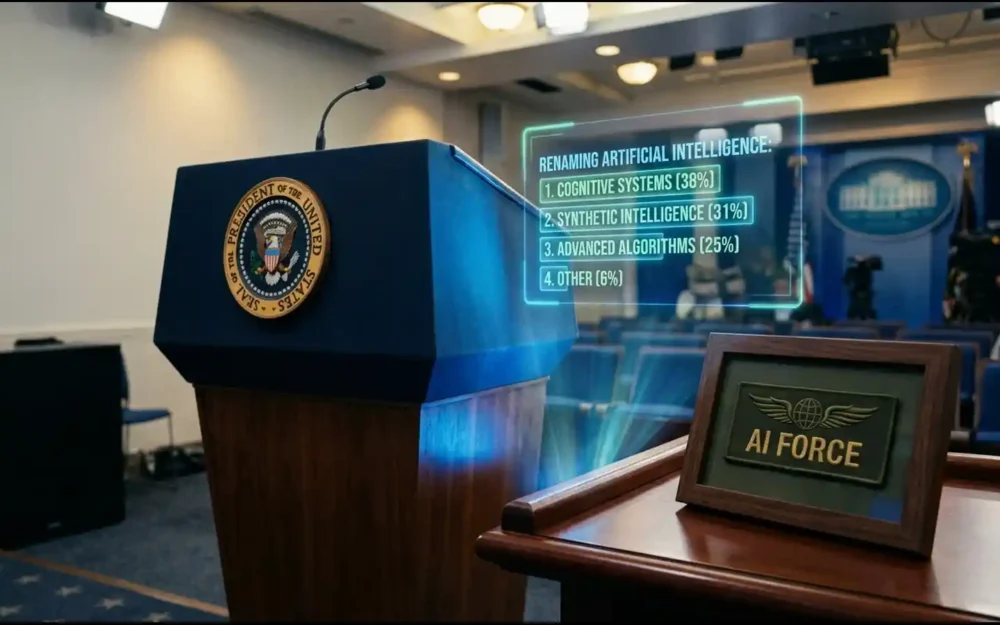
Trump ran a Truth Social poll to rename AI, called the safety backlash a Democratic hoax without evidence, and announced plans for an AI Force and a new AI Czar.
EY, Collibra and InformationWeek reporting shows enterprise AI is now an operations problem: model routing, data quality and agent oversight. The pattern holds up, but most of the numbers come from firms that sell the fix.
The FAA’s plan for air traffic is SMART, an AI planning tool from Air Space Intelligence, with a Washington area launch expected as soon as September 21. The contractor puts the deal at $875 million over 12 years, and the FAA has published no performance metrics yet.
Dario Amodei wants embedded evaluators inside every frontier AI lab, and Sam Altman said OpenAI will match the pledge. The evaluators who’d do the work say the plan is short on the details that would prove it’s real.