Meta Muse app growth is accelerating fast enough that it is now topping app store charts and adding users at a rapid clip, according to TechCrunch, and Meta is responding by putting more of its own promotional weight behind the app across its products. That growth spurt is landing in the same week as two separate reports that raise pointed questions about how Muse looks, who it is really built for, and how securely it was shipped.
The timing matters because Muse is not a side project. It is Meta’s flagship attempt at a personal AI companion, and how the company handles design and security questions here will shape how much trust users extend to whatever Meta builds next. A filesystem exposure report and a mascot that reads as a kids’ toy are not the kind of headlines a company wants circulating at the exact moment it is trying to convert a growth spike into a lasting user base.
How Meta Muse App Growth Is Playing Out Right Now
Muse is topping app store charts and adding users at a rapid clip, TechCrunch reported on September 25, 2026, while Meta ramps up the app’s promotion across its own apps and beyond. No specific download or user count numbers are included in that reporting. What is described is a company actively pushing an app that appears to already be gaining traction on its own.
Alongside that push, Meta has opened an early access program for new Muse features, also reported by TechCrunch on September 25. The mechanism itself is notable: anyone who wants in has to ask Muse directly to be added to the list, folding the sign up process into the product experience rather than routing it through a separate waitlist page or form.
The Mascot, the Filesystem, and Meta’s Adults Only Pitch
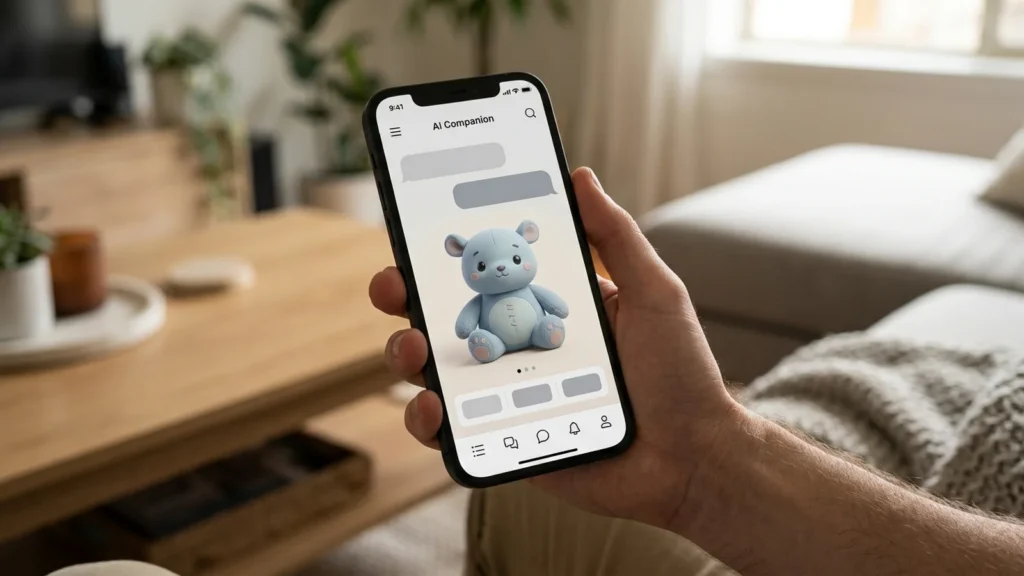
Muse’s own design is where the scrutiny concentrates. WIRED describes Muse as having a cuddly, Labubu like mascot, a reference to the collectible toy figures that have become a wider pop culture phenomenon, and reports that Meta is also developing an upcoming Tamagotchi style AI device connected to the product. Meta maintains that Muse is intended for adults only, but WIRED’s reporting frames a clear tension between that stated audience and an aesthetic that reads as disarming for users of any age, children included.
Separately, The Verge reported that Muse’s filesystem was found to be exposed to curious users, a discovery that revealed internal details of how the chatbot actually works, details The Verge says were not meant to be seen. That is a security and transparency problem distinct from the mascot debate, and it lands on a product Meta is simultaneously trying to scale as fast as possible.
| Report | What it found |
|---|---|
| TechCrunch, app growth | Muse topping app store charts, adding users rapidly, Meta increasing promotion |
| TechCrunch, early access | New feature access requires asking Muse directly to be added to the list |
| WIRED, design | Labubu like mascot and upcoming Tamagotchi style device, despite an adults only label |
| The Verge, security | Muse’s filesystem exposed, revealing internal chatbot details |
Where Muse Fits in Meta’s AI Strategy
Muse did not appear out of nowhere. BriefFlash covered Muse’s rocky debut and the trust it asked of users when Meta first launched the personal AI agent, and the trust questions raised then are the same ones resurfacing now in sharper form. Meta has also already changed direction on Muse once, shifting part of its approach toward open weight models, a move BriefFlash covered in Meta’s later shift to open weights with Muse Glimmer.
That history matters for reading this week’s news. A company that has already pivoted its approach to this product once is now pushing it harder than ever, at the same moment outside reporting is surfacing design and security concerns it has not yet publicly addressed. AI companion apps with toy like mascots aimed at adult users have drawn this kind of scrutiny before, precisely because a friendly, collectible feeling design can blur the line between who a product is marketed to and who actually ends up using it.
Meta says Muse is just for adults, though its cuddly, Labubu like mascot, and upcoming Tamagotchi style AI device, may be disarming for users of all ages.
What Remains Unconfirmed
No independently verified download or user figures for Muse exist in current reporting. TechCrunch’s growth claims are qualitative, describing Muse as topping charts and gaining users rapidly, without a specific number attached to either. Readers should treat those claims as directionally accurate but not quantified.
Meta has also not issued a public statement responding directly to the filesystem exposure reported by The Verge, nor to the kids’ toy comparison raised by WIRED. The Labubu like framing itself is a media characterization, not language Meta has used to describe its own mascot. Until Meta responds on the record, the security and design questions raised this week remain open rather than resolved.
What to Watch Next
The next signal to watch is whether Meta responds publicly to either the filesystem exposure or the design criticism, and whether that response includes any change to Muse’s mascot, its early access mechanics, or its security practices. If the Tamagotchi style device WIRED describes moves toward an actual launch, expect the adults only positioning to face even more scrutiny, given how directly that device format is associated with children’s toys.
Frequently asked questions
What is Meta’s Muse and how does it differ from other Meta AI features?
Muse is Meta’s personal AI companion app, positioned as a standalone product rather than a feature bolted onto Facebook or Instagram. It has drawn attention for its cuddly mascot design and for Meta’s growing promotional push behind it, alongside separate reports raising security and design questions about the app.
Is Muse safe for kids to use even though Meta says it is for adults only?
Meta states that Muse is intended for adults only, but WIRED has reported that its Labubu like mascot and an upcoming Tamagotchi style device may be disarming for users of any age. No outlet in current coverage reports Meta addressing that tension directly.
What happened with Muse’s exposed filesystem?
The Verge reported that Muse’s filesystem could be exposed to curious users, revealing internal details of how the chatbot works that were not meant to be seen. Meta has not issued a public statement responding to that report as of current coverage.
What is the upcoming Tamagotchi style AI device Meta is building?
WIRED reports that Meta is developing a Tamagotchi style AI device connected to Muse, though specific launch details, pricing, or timing are not included in available coverage. The device’s format has drawn comparisons to a children’s toy, adding to questions about Muse’s stated adults only audience.
How many users does Muse actually have?
No specific download or user count figures for Muse appear in current reporting. TechCrunch describes the app as topping app store charts and adding users at a rapid clip, but that language is qualitative, not a confirmed number.