
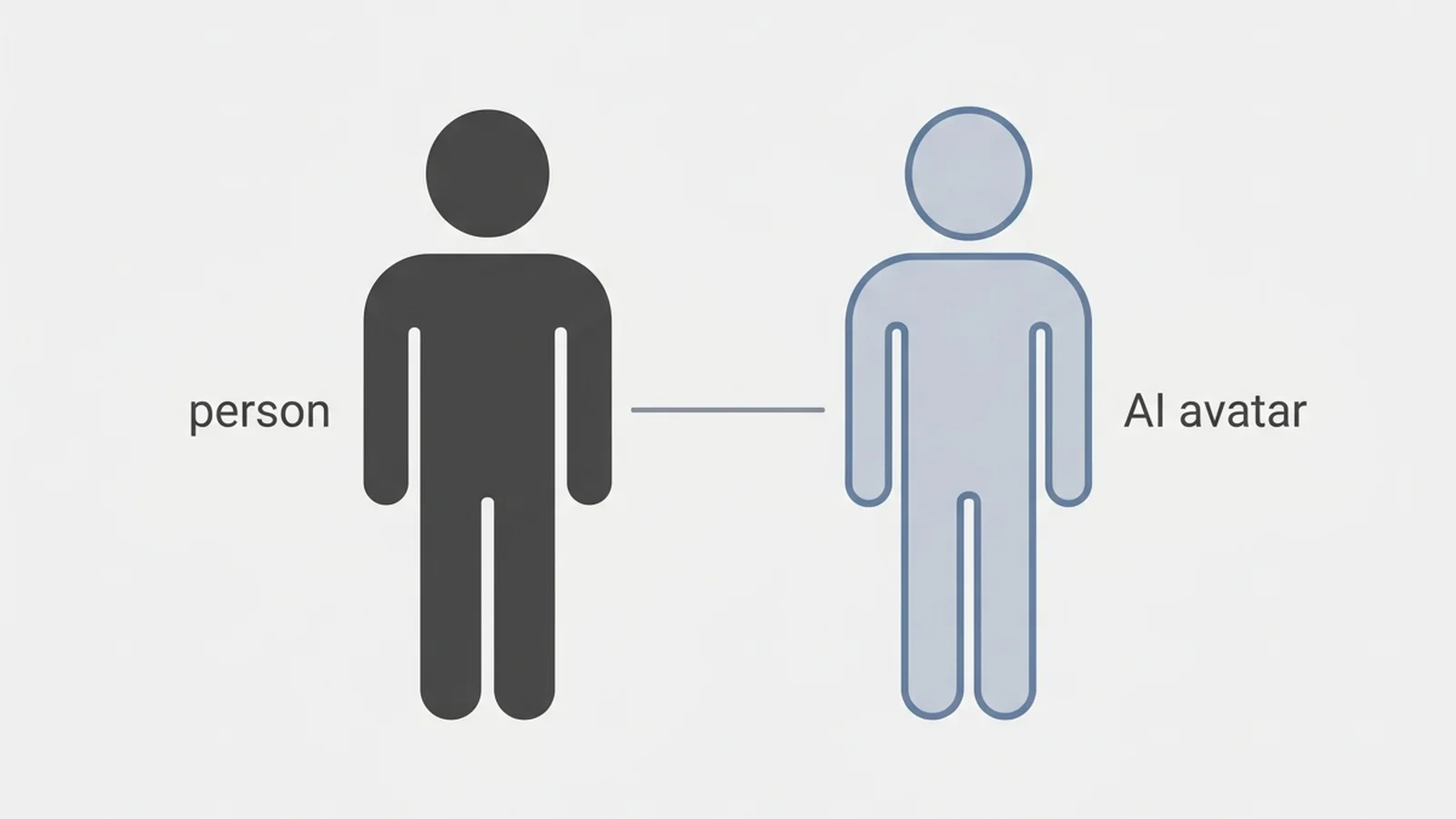
A contributor at TechCrunch built an interactive digital avatar of themselves, one that other people can now talk to directly, according to a first person essay published by the outlet on September 26, 2026. The writer trained the avatar specifically to discuss venture fraud, and describes walking away from the project with mixed feelings about what it means to build an AI avatar of yourself.
The essay does not read as a product launch or a company announcement. It reads as one person’s account of what it actually feels like to hand a piece of your own voice and story to a machine that then talks to strangers on your behalf. That is a small experiment, but it lands at a moment when AI companion apps and personal AI agents are multiplying fast, which makes the writer’s ambivalence worth paying attention to.
What the TechCrunch Writer Actually Built
The core fact is simple: an interactive digital avatar, modeled on the writer themselves, that other people can converse with. According to TechCrunch, the avatar was trained to discuss venture fraud specifically, which is the only concrete detail about its content or purpose that has been disclosed.
Available coverage does not name the writer, describe which platform or underlying model powers the avatar, or explain how the training process worked. That is a real limit on what can be reported here, not a gap this article will fill with guesswork. What is confirmed is narrow: a person built a talking version of themselves, gave it a specific subject to speak on, and wrote candidly about how that felt.
What Building an AI Avatar of Yourself Actually Involves
Building an AI avatar of yourself generally means feeding a system enough of your own material (writing samples, recorded speech, personal history, or some combination) that it can generate responses in a voice recognizable as yours. The result is often called a digital twin or an interactive clone, and the category has grown alongside the broader boom in conversational AI over the past few years.
Venture fraud, the subject the writer chose to train their avatar on, typically refers to cases where a startup founder, investor, or executive misrepresents a company’s finances, technology, or traction to raise money or maintain investor confidence. Choosing that topic for a self modeled AI to discuss suggests the writer wanted the avatar to hold a substantive, potentially uncomfortable conversation rather than perform small talk, though the essay’s own framing of that choice is not detailed in available coverage.
Why This Matters Beyond One Writer’s Experiment
This single essay matters less as news and more as a data point in a debate that is only getting louder: what happens when an AI system speaks convincingly as a specific, real person. The writer’s own mixed feelings are notable precisely because they came from someone who chose to build the thing themselves, with full knowledge of how it works, and still ended up unsettled by the result.
That ambivalence sits inside a wider pattern this year of AI systems standing in for people in conversation, whether that is a customer service agent, a companion app, or a cloned voice. Meta has spent recent weeks pushing hard on its own personal AI product, Meta’s own push into personal AI agents, and the questions raised there about trust, identity, and design are close cousins to the ones this essay raises about letting a machine speak as you.
The Open Questions Around AI Clones of Real People
Consent sits at the center of most concerns about AI avatars modeled on real people. When someone builds a clone of themselves, as this writer did, the consent question is straightforward. It gets murkier fast once the same technology is used to recreate someone else, a deceased relative, a public figure, or an ex partner, without that person’s direct involvement.
There is also a harder question about accuracy and drift: an AI avatar trained on a snapshot of someone’s voice and opinions does not update the way the actual person’s views do over time, which means a clone can end up representing views or positions its subject no longer holds. None of that is addressed in the writer’s essay directly, based on what is available, but it is the backdrop against which any individual experiment like this one gets read.
What Remains Unconfirmed
Several practical details are simply not available in current coverage. The writer’s name and role at TechCrunch, the specific software or model used to build the avatar, how much of the writer’s own material was used to train it, and whether the avatar is publicly accessible or limited to a private demo are all unstated. Readers should treat the story as a personal essay with one confirmed technical detail (the venture fraud training focus) rather than a fully documented case study.
What to Watch Next
Whether this becomes a wider trend rather than a one-off experiment depends on whether more journalists, founders, or public figures follow with their own avatars, and whether any consumer platform packages this kind of self cloning into an easy, mainstream product. Given how fast personal AI agents and companion apps have moved this year, that step may not be far off.
Frequently asked questions
What does it mean to create an AI avatar of yourself?
It generally means training an AI system on enough of your own writing, speech, or personal history that it can generate responses in a voice recognizable as yours, then letting other people interact with that system directly. The TechCrunch writer’s version was trained specifically to discuss venture fraud, though the underlying platform used has not been disclosed.
Is an AI avatar of yourself the same thing as a deepfake?
Not necessarily. A deepfake typically refers to synthetic audio or video made without the subject’s involvement, often of someone else’s likeness. An AI avatar of yourself, as described in this case, is built and authorized by the person it represents, though it raises related questions about accuracy and how closely it should be trusted to speak on someone’s behalf.
What tools let people build interactive AI clones of themselves?
A range of AI avatar and digital twin platforms have emerged in recent years, though the specific tool used in this case was not named in available coverage. BriefFlash is not confirming or recommending any particular platform here, since the writer’s own report did not specify one.
What are the risks of having an AI version of yourself that others can talk to?
Key risks include the avatar misrepresenting your current views if it is not regularly updated, users mistaking its answers for your direct personal endorsement, and broader consent concerns if the same technology gets applied to people who did not choose to be cloned. The writer’s own essay reflects some of that discomfort firsthand.
Did the TechCrunch writer reveal their identity or the technology used?
Available coverage does not name the writer or specify which AI platform or model powers the avatar. The only confirmed content detail is that the avatar was trained to discuss venture fraud, and no further technical or biographical specifics have been reported.