
Just one week after its official formation, the Open Secure AI Alliance—spearheaded by Nvidia—has already released its first set of technical proposals aimed at defending against emerging threats from autonomous AI agents. The consortium has rapidly expanded to include over 120 member companies, demonstrating aggressive momentum. If there was any doubt about the consortium’s operational tempo, the early progress proves Nvidia doesnt mess around when establishing industry-wide security standards.
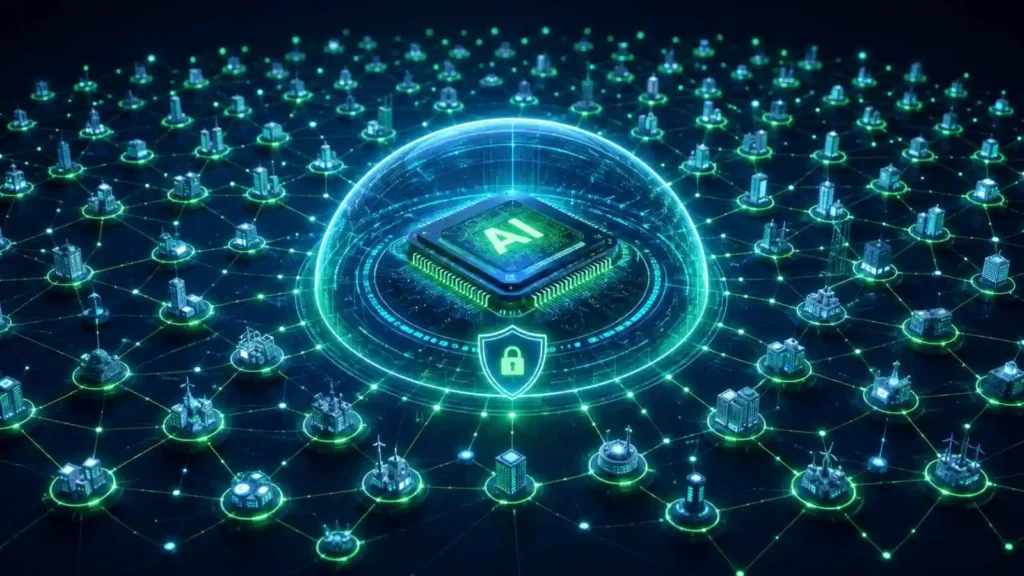
The alliance was initially formed to address the growing attack surface introduced by agentic AI systems—models designed to execute multi-step tasks, interact with external APIs, and operate with varying degrees of autonomy. Within a matter of days, the group mobilized working groups to draft preliminary specifications for secure agent communication, threat isolation, and identity verification. This rapid development cycle reflects the urgency of establishing standardized security protocols before autonomous agents are deployed at scale across enterprise environments.
By moving from announcement to actionable proposals in under a week, the consortium is setting a new precedent for industry collaboration. The initial drafts focus on mitigating prompt injection, unauthorized tool access, and lateral movement between networked AI agents. The speed of these deliverables highlights that Nvidia doesnt mess around when it comes to securing the infrastructure that underpins its hardware dominance.
The Genesis of the Open Secure AI Alliance
The Open Secure AI Alliance emerged from a recognized need to secure AI agents before they become deeply embedded in critical infrastructure. Spearheaded by Nvidia, the consortium quickly attracted a diverse membership base spanning hardware vendors, cloud service providers, enterprise software developers, and cybersecurity firms. Reaching over 120 companies within days of launch, the alliance reflects a collective industry acknowledgment that the rapid deployment of agentic AI outpaces current security frameworks.
Nvidia’s leadership in this consortium is strategic. As the dominant provider of AI compute infrastructure, the company relies on enterprise trust. By ensuring that Nvidia doesnt mess around with the security posture of agentic systems, the alliance effectively protects the broader ecosystem that drives hardware adoption.
Early Proposals: Defending Against AI Agents
The primary technical output from the alliance’s first week is a set of draft proposals specifically targeting the unique vulnerabilities of AI agents. These documents outline foundational security requirements for developers building agentic frameworks.
Core Technical Specifications
The initial proposals focus on three critical pillars of agentic AI security:
- Agent Identity and Authentication: Establishing cryptographic identities for individual agents to prevent spoofing and unauthorized access. This involves integrating mutual TLS (mTLS) protocols specifically tailored for dynamic, ephemeral agent instances.
- Tool and API Access Controls: Implementing strict, delegated authorization scopes. Agents must operate under the principle of least privilege, with explicit, human-in-the-loop approval required for high-impact tool executions.
- Prompt Isolation and Integrity: Creating sandboxed environments for processing external data inputs to mitigate indirect prompt injection attacks. This includes standardized methods for separating system instructions from untrusted user or third-party content.
| Security Domain | Proposed Mechanism | Target Threat |
|---|---|---|
| Agent Identity | mTLS Integration | Agent Spoofing, MitM Attacks |
| API Access | OAuth 2.0 Delegated Scopes | Unauthorized Tool Execution |
| Data Integrity | Prompt Sandboxing | Indirect Prompt Injection |
| Monitoring | Telemetry Standardization | Rogue Agent Behavior |
According to the draft documentation released by the alliance, these mechanisms are designed to be framework-agnostic, ensuring interoperability between different enterprise agent platforms.
Nvidia Doesnt Mess Around: Industry Impact and Adoption
The speed at which these proposals have been drafted and circulated is unprecedented in standard-setting bodies. Historically, consortiums take months to establish governance structures before producing technical outputs. The Open Secure AI Alliance bypassed this bottleneck by leveraging pre-existing open-source security frameworks and adapting them for agentic AI.
This approach signals to the industry that Nvidia doesnt mess around when it comes to mitigating risks to its ecosystem. The rapid progress also places pressure on standalone AI security startups to align with these emerging standards rather than building proprietary, closed-loop solutions.
The broader industry impact centers on standardization. For enterprises, the proliferation of proprietary AI agents creates integration and security nightmares. Standardized identity and access controls allow organizations to deploy multi-vendor agent architectures without sacrificing visibility or control.
External Validation and Next Steps
The consortium’s early outputs are already drawing attention from regulatory bodies and standards organizations. While the alliance operates independently, its rapid alignment with existing cybersecurity frameworks—such as those maintained by the National Institute of Standards and Technology (NIST)—facilitates easier regulatory acceptance.
External validation is critical. According to documentation from NIST’s AI Risk Management Framework, managing agentic AI risks requires foundational standards for trustworthiness. The alliance’s proposals directly address these requirements by providing actionable, code-level implementations rather than abstract policy guidelines.
Furthermore, the Open Web Application Security Project (OWASP) has recently highlighted prompt injection and insecure output handling as top vulnerabilities in LLM applications, validating the alliance’s focus. Developers can review OWASP’s guidelines on the OWASP Top 10 for Large Language Model Applications to understand the baseline threats these new proposals aim to mitigate.
The alliance plans to transition the draft proposals into formal specifications by the end of the quarter. Open-source reference implementations are currently in development, with early codebases expected to be published to public repositories for community testing and iteration.
Conclusion
The formation and immediate productivity of the Open Secure AI Alliance marks a significant shift in how the AI industry approaches security. By mobilizing over 120 companies and producing actionable technical drafts within a week, the consortium demonstrates that proactive, standardized defense mechanisms can keep pace with rapid technological advancement. For developers and enterprises, aligning with these emerging standards will be critical to safely deploying the next generation of autonomous AI systems.
Key Takeaways
- The Open Secure AI Alliance, led by Nvidia, has expanded to over 120 member companies within its first week.
- The consortium has already released draft technical proposals focusing on agent identity, API access controls, and prompt isolation.
- The unprecedented speed of these technical outputs proves Nvidia doesnt mess around when establishing ecosystem security standards.
- The proposed frameworks aim to be agnostic, ensuring interoperability and standardized security across multi-vendor enterprise AI agents.
FAQ
What is the Open Secure AI Alliance?
The Open Secure AI Alliance is an industry consortium spearheaded by Nvidia, comprising over 120 companies dedicated to establishing open standards and security protocols for autonomous AI agents.
What are the first proposals released by the alliance?
The initial proposals focus on three core areas: establishing cryptographic identities for agents, implementing strict delegated access controls for APIs, and sandboxing external data to prevent prompt injection attacks.