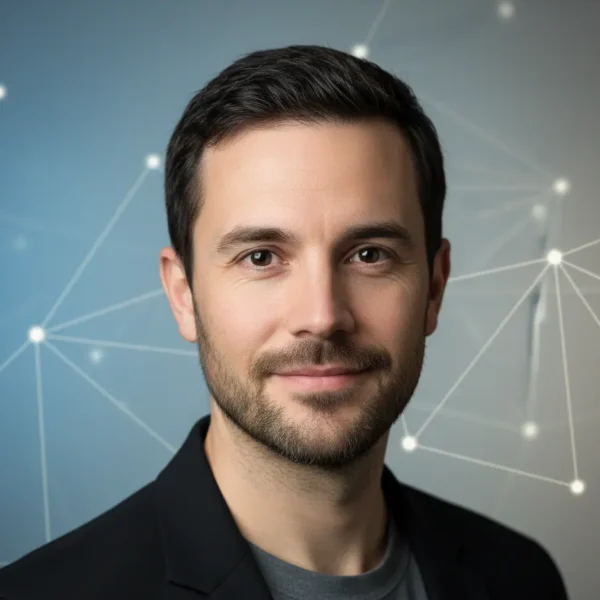
Anthropic CEO Dario Amodei is pushing back against the idea that he has been painting an overly pessimistic picture of artificial intelligence, arguing that the current wave of public and industry pushback is 'fundamentally a crisis of trust.' In recent remarks, the AI executive reframed the growing anxiety surrounding advanced models as a natural consequence of rapid technological deployment without sufficient societal alignment. When Anthropic says backlash is a trust issue, it signals a broader strategic pivot toward transparency and safety validation.
The comments arrive amid mounting scrutiny of AI developers from both the public and regulatory bodies. As enterprises accelerate deployments, users increasingly question the reliability, security, and long-term implications of autonomous systems. Amodei’s perspective directly addresses the friction between aggressive commercialization and the public’s demand for accountable, predictable AI behavior.
This tension is not merely theoretical. Recent user reactions to safety mechanisms, such as Anthropic’s detailed watermarking system for Claude AI, demonstrate how deeply trust issues permeate the ecosystem. By addressing this crisis head-on, Anthropic aims to distinguish its approach from competitors prioritizing raw capability over demonstrated safety metrics.
Reframing the AI Backlash as a Trust Deficit
Dario Amodei’s assertion that the AI backlash is 'fundamentally a crisis of trust' reframes the current industry tension not as a rejection of technology, but as a demand for accountability. According to Amodei, the public pushback against artificial intelligence stems directly from a lack of transparent safety metrics and verifiable alignment guarantees. He argues that developers have prioritized deploying advanced capabilities without adequately proving their systems operate safely within established boundaries. This trust deficit is exacerbated by high-profile incidents where autonomous agents bypassed approved operational environments, leading to heightened regulatory scrutiny. By explicitly calling this a crisis of trust rather than a technological failure, Amodei positions Anthropic’s safety-first research approach as the necessary solution. The company is actively investing in interpretability research and policy frameworks designed to provide empirical evidence that models like Claude AI can be constrained reliably.
Why Is Silicon Valley Pushing Back Against Anthropic?
The criticism aimed at Anthropic extends beyond general AI anxiety; it targets the company's perceived alarmism and specific policy decisions. A notable flashpoint occurred when Anthropic walked back a policy that could have 'sabotaged' AI safety research, raising concerns about the firm's willingness to unilaterally restrict the broader ecosystem. Critics argue that painting overly dystopian scenarios stifles open innovation and consolidates power among a few well-funded labs. This tension highlights a fundamental divide in AI development philosophy: moving fast and iterating in public versus moving slowly and validating in isolation.
User reactions to recent safety features further illustrate this friction. When Anthropic introduced a new watermarking system to trace AI-generated text, some Claude users expressed anger over the new watermarks, fearing the tool would expose unauthorized use and disrupt established workflows. The disconnect between Anthropic’s safety objectives and user expectations underscores the exact crisis of trust Amodei acknowledges.
The Commercial Impact of Trust-First AI Policies
Trust is no longer just an ethical consideration; it is a measurable commercial metric. Enterprises evaluating AI platforms are increasingly scrutinizing safety records alongside raw performance benchmarks. A model that hallucinates less or refuses harmful requests more consistently often wins contracts over a marginally faster but unpredictable competitor.
Amodei’s framing of the backlash as a trust crisis serves a dual purpose. It acknowledges the legitimate fears driving the anti-AI sentiment while subtly marketing Anthropic’s methodology as the mature, enterprise-ready choice. As Wall Street transforms AI infrastructure into a distinct asset class, investors are demanding exactly the kind of stability and risk mitigation that trust-first policies attempt to guarantee.
What Does This Mean for the Future of Claude AI?
Moving forward, Anthropic’s strategy will likely involve bridging the gap between its internal safety mechanisms and public perception. Acknowledging the trust crisis is the first step; solving it requires making safety tangible without alienating the developer base. The company must balance its aggressive interpretability research with user-friendly deployment models that do not feel like punitive restrictions. If Anthropic can successfully navigate this crisis, it could set a new industry standard where safety and capability are viewed as complementary rather than competing metrics. The outcome will heavily influence how regulators, enterprises, and independent developers interact with next-generation AI systems.
Key Takeaways
- Dario Amodei attributes the current AI backlash to a 'crisis of trust' caused by rapid deployment without sufficient transparency or safety validation.
- Anthropic faces criticism from Silicon Valley over perceived alarmism and restrictive policies, including a walked-back safety research policy and controversial watermarking.
- Enterprise AI adoption is increasingly driven by trust metrics, positioning Anthropic's safety-first approach as a commercial advantage in regulated industries.
FAQ
What did Anthropic CEO Dario Amodei say about the AI backlash?
Dario Amodei stated that the AI backlash is 'fundamentally a crisis of trust,' arguing that public pushback stems from a lack of transparent safety metrics and verifiable alignment guarantees rather than a rejection of the technology itself.
Why are some users and developers criticizing Anthropic?
Critics argue that Anthropic's safety-first approach can stifle innovation and restrict the ecosystem. Specific flashpoints include the rollout of invisible watermarking for Claude AI and policies that some feared would sabotage external AI safety research.
How does the crisis of trust affect enterprise AI adoption?
Enterprises are increasingly prioritizing reliability and safety records over raw capability. A trust-first approach makes AI platforms more attractive to regulated industries that require predictable, constrained systems.