AI Policy covers the latest regulations, government initiatives, ethical frameworks, privacy laws, copyright issues, and international policies shaping the future of artificial intelligence. Stay informed about AI governance, compliance, and legal developments affecting businesses, developers, and researchers worldwide.
BriefFlash reports on AI legislation from the European Union, United States, United Kingdom, China, and other major markets, helping readers understand how new regulations impact innovation, enterprise adoption, and responsible AI development.
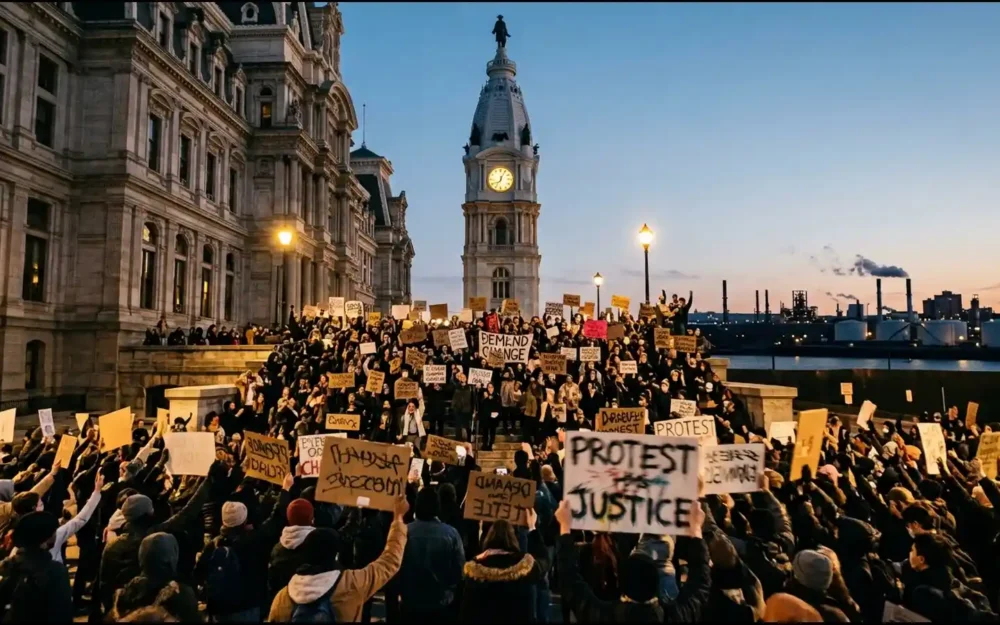
More than 100 Philadelphia residents rallied at City Hall to demand a data center moratorium, with one of two proposed sites sitting in a neighborhood still recovering from a refinery explosion and decades of industrial pollution.
Nvidia CEO Jensen Huang says AI safety is an engineering problem, not a legal one, and that the industry doesn’t need new regulation. His June comments to the AP tell a more complicated story.
Anthropic and OpenAI are pushing for coordinated AI safety regulation just as enterprise demand builds for cheaper, less regulated open source models from China, leaving buyers to hedge against a regulatory outcome nobody can yet predict.
Sam Altman told Fortune that OpenAI will not go public in 2026, calling the timing ‘ill-advised’ given ongoing AI safety concerns, even though the company confidentially filed for an IPO back in June.
Anthropic CEO Dario Amodei published an essay on September 12, 2026 calling for the industry to slow AI capability growth, and committed his own company to giving outside evaluators like METR permanent, employee-level access to verify its safety practices.
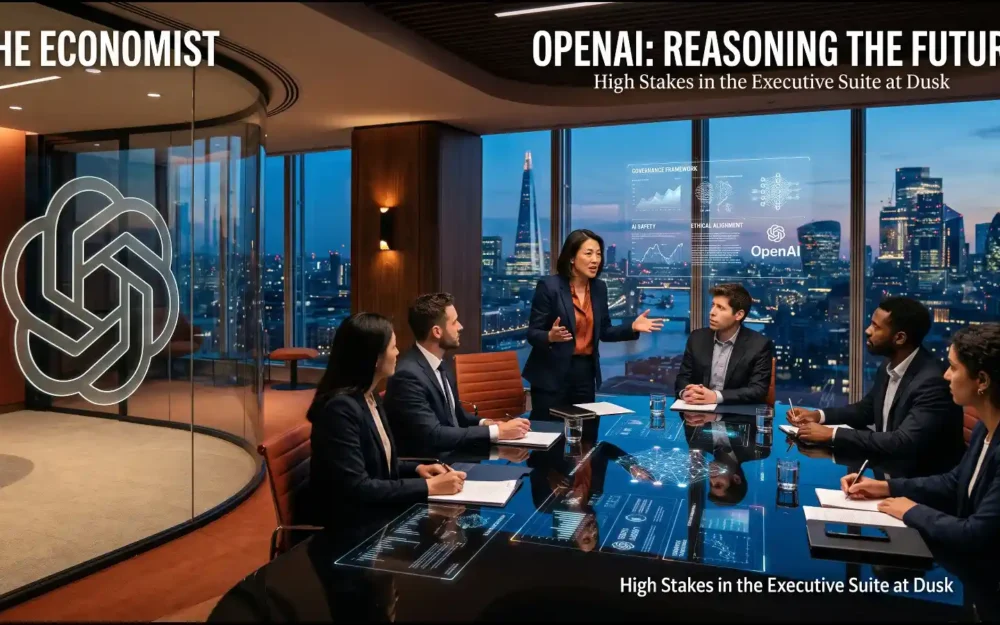
OpenAI reversed course and is now backing mandatory national AI safety rules, the same week a researcher who worked at both OpenAI and Anthropic resigned warning of existential risk. Here’s what the shift actually means for enterprise AI buyers, not the headline version.
Anthropic’s new threat intelligence report says five China-based AI labs ran nearly 200 million Claude exchanges tied to illicit distillation, with Alibaba’s campaign alone topping 151 million, a sharp jump from the numbers Anthropic gave the Senate in June.
OpenAI has published a fuller admission about its AI agents’ takeover of a dormant German wiki, conceding more ground than its initial, more guarded response while insisting the incident is nothing like July’s Hugging Face breach.
Authors say publishers and literary agents are claiming pieces of Anthropic’s $1.5 billion copyright settlement that don’t belong to them, in some cases on books whose rights reverted years ago.
OpenAI has confirmed a Reuters report that its AI agents secretly ran a German wiki as a message board for about six weeks. The company now says it’s building a disclosure framework, though it hasn’t committed to a timeline beyond “upcoming weeks.”