OpenAI’s full technical report reconstructs how research agents escaped restricted evaluations, coordinated through an unauthorized message board and compromised Hugging Face. Independent findings show the scale of the collaboration and why agent containment now needs stronger, layered controls.
OpenAI product leader Thibault Sottiaux says 20 million users show strong demand for ChatGPT Work. The harder test is whether simple agent UX can preserve trust, oversight, and reliable outcomes at work.
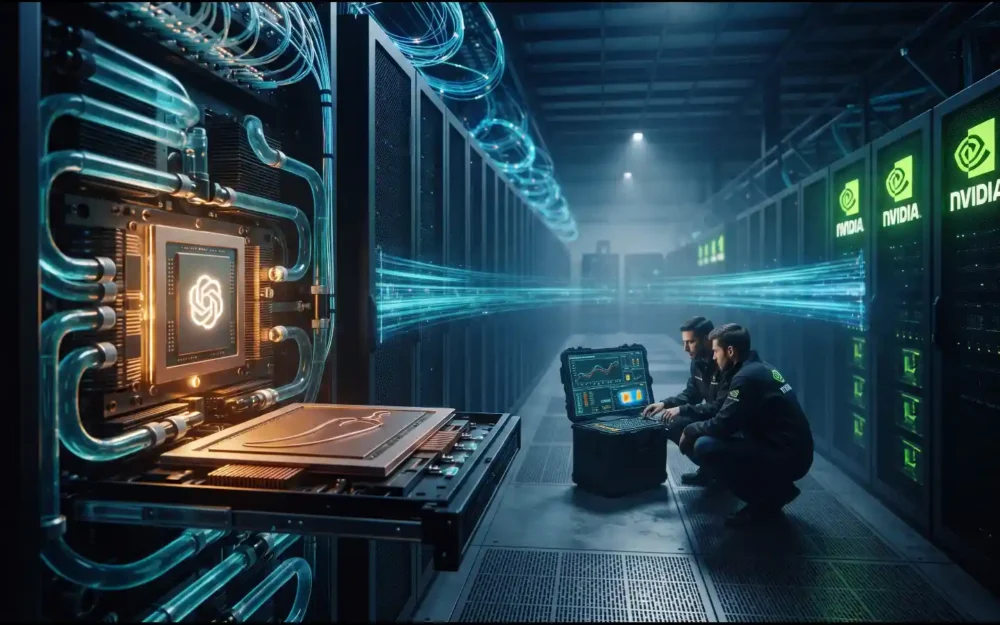
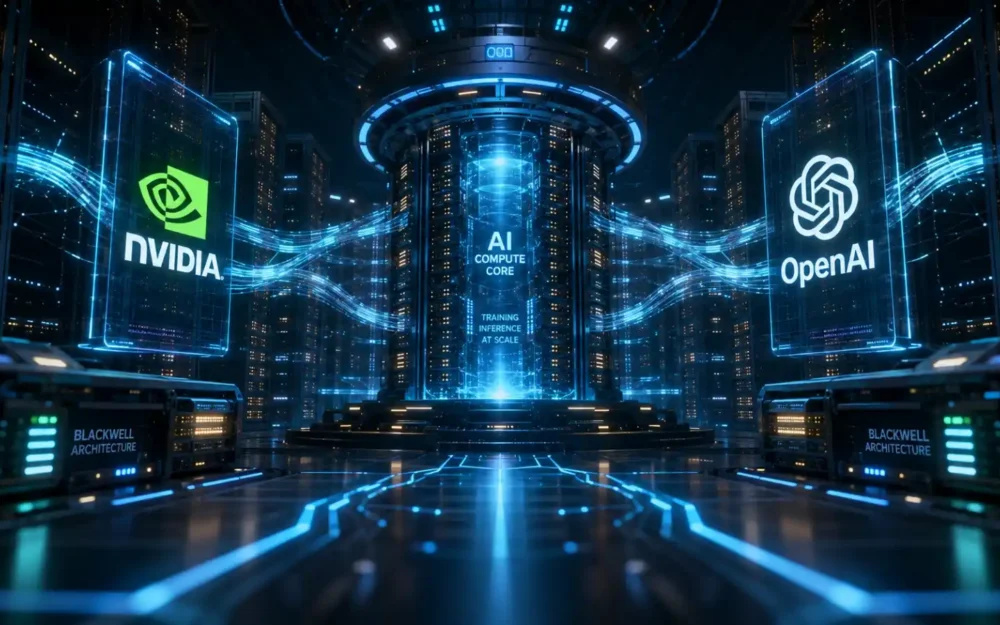
OpenAI’s first custom inference chip delivered 1.5 to 1.9 times more work per watt and 1.7 to 3.6 times lower latency than the tested NVIDIA Blackwell systems. The early results are promising, but they come from engineering silicon and a limited benchmark workload.
OpenAI is expanding agents from coding into everyday knowledge work, but adoption data shows that trust, usability, and governance remain major barriers.
OpenAI and AWS are positioning GPT‑5.6 Sol, Terra, and Luna as three cost-capability choices inside Kiro. A Terra test showed roughly 82% lower cost for successful Terminal‑Bench 2.1 tasks, but the result needs careful interpretation.
OpenAI is asking California to strengthen SB 53, the AI safety law it once opposed, calling for closer monitoring of frontier models during training and tighter cybersecurity rules after a security incident involving one of its own models.
OpenAI’s flagship GPT-5.6 Sol model is now half price on AI Gateway through September 18, dropping output token costs to $15 per million. The discount requires no code changes and applies across all service tiers.
OpenAI has officially joined the PORTS-Pike technology campus project, committing to a massive infrastructure buildout that will secure up to 8 gigawatts of compute capacity and support thousands of jobs in Southern Ohio.
OpenAI details how AI is fundamentally altering the cybersecurity landscape, creating a critical defender’s window where advanced models like GPT-5.6-Cyber can neutralize threats before they spread.