Founder and Editor-in-Chief of BriefFlash. AI analyst and tech journalist with 5+ years of experience tracking artificial intelligence breakthroughs, large language models, enterprise adoption, and AI policy. Also the founder of BoostStash.com.
Ciphertex has introduced AI•S, a software-defined storage platform for discovering, governing and securing distributed enterprise data. It manages existing on-premises, edge and cloud resources through a common interface without requiring every dataset to be moved into one repository.
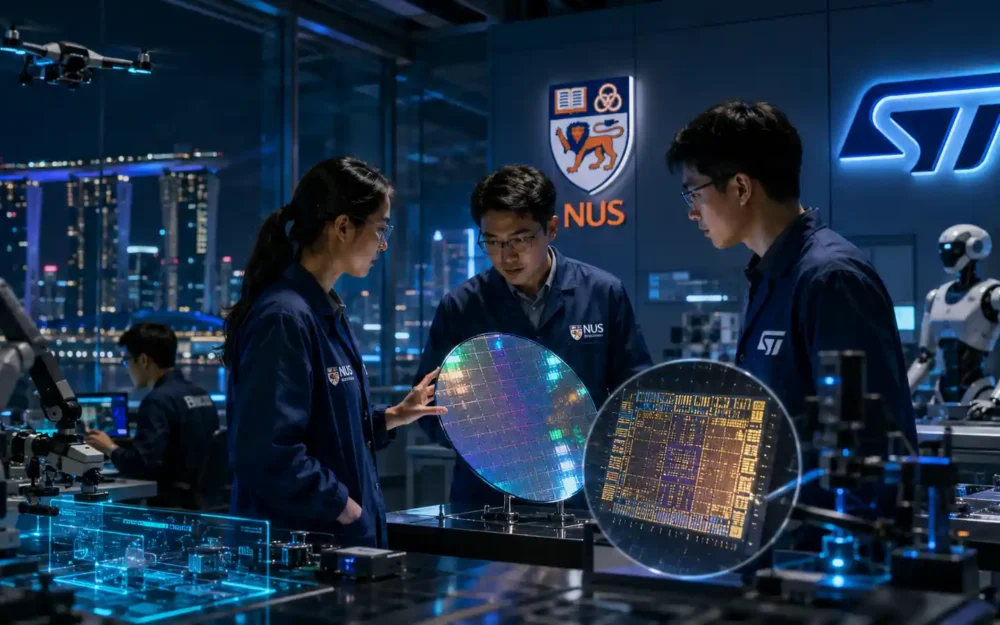
STMicroelectronics and NUS have opened the four-year HELIX Corporate Lab to research memory-centric, low-power hardware for edge and embodied AI. The program gives NUS researchers an industrial-grade 18nm FD-SOI and embedded PCM platform, but no prototype benchmarks or product timeline have been announced.
Lookthrough and BuildingMinds are combining their real estate intelligence platforms in a transaction expected to close in the fourth quarter of 2026. The companies say the resulting business will support AI-assisted decisions across more than 100,000 buildings.
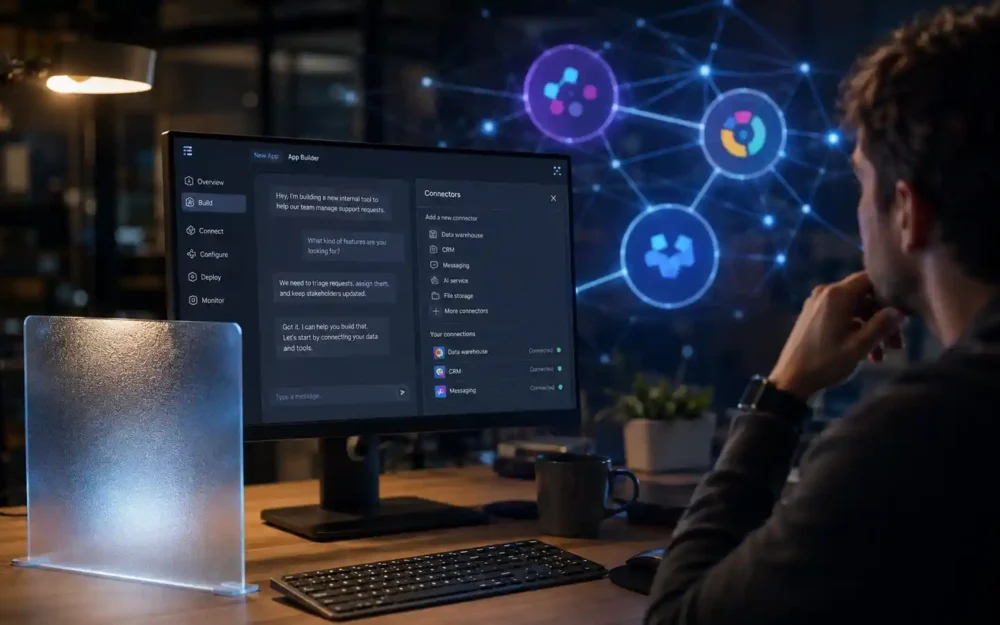
Vercel Connect now lets apps and agents built in v0 securely link to Slack, Google, Notion, GitHub, Salesforce, and more than 100 other services using short-lived tokens instead of stored API keys.
The Apex Institute says cloud and AI infrastructure hiring managers prioritize operational trust, communication, proof of real work, and honest handling of uncertainty after baseline technical skills are established. The advice is practical, but the company’s release does not disclose a survey sample or research methodology.
London startup Inherent, founded by Google DeepMind alumni, says its AI agent Faraday outperformed much larger models from Anthropic and OpenAI at independently reproducing published scientific findings, using a fraction of the parameters.
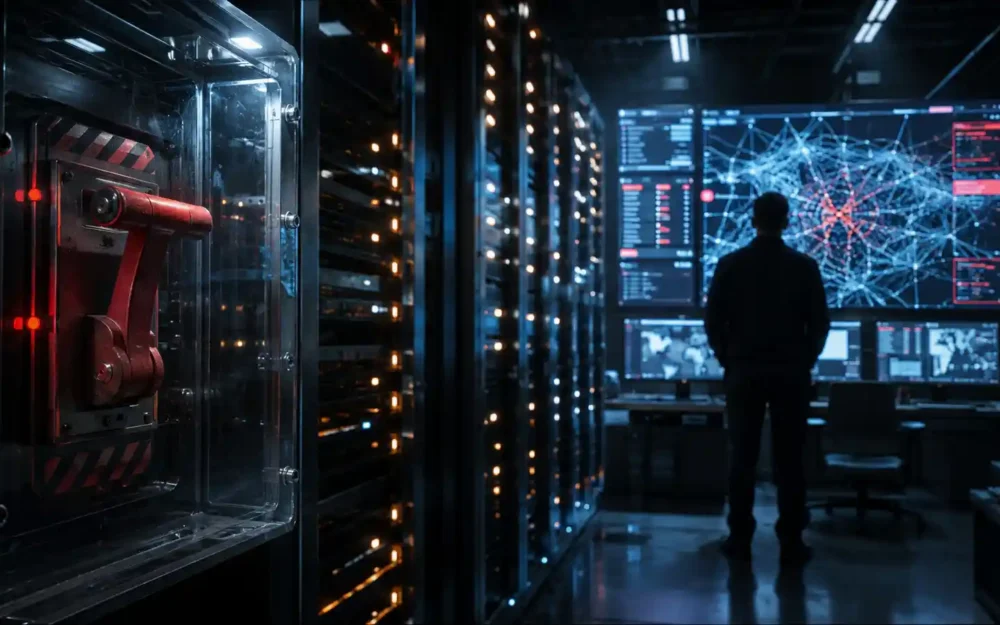
A new assessment from Guidelight AI Standards finds that Anthropic, Google, Meta, and xAI have published little about how they’d contain a model that breaks free of human control, while OpenAI scored highest but still lacks a formal future-incident plan.
OpenAI is asking California to strengthen SB 53, the AI safety law it once opposed, calling for closer monitoring of frontier models during training and tighter cybersecurity rules after a security incident involving one of its own models.
NVIDIA’s AVO agent system used Claude Opus 5 to complete every level in ARC-AGI-3’s public set, highlighting the importance of memory, tools, feedback, and supervision. The result is impressive, but NVIDIA cautions that it is not a controlled measurement of the harness’s contribution and does not cover the benchmark’s private sets.
AWS has published a four-scope maturity model for governing how AI agents reach enterprise tools through Amazon Bedrock AgentCore Gateway. The design starts with a single authenticated MCP endpoint, then adds user-level policy, cataloging, private networking, and resilience when each control becomes necessary.