Skip to content
Sunday, 15 November 2026
MSFT 523.88 ▲ 0.17%
MSFT 523.88 ▲ 0.17%
EST. 2026 INTELLIGENT JOURNALISM
LATEST
AI Tools AWS Physical AI Toolchain: What the Open Source Release Covers • AI Tools Gemini Personal Intelligence Android Auto Rollout: Who Gets It • AI Startups NVIDIA Germany Industrial AI Declaration Signed in Berlin • AI Tools OpenCode Breach: Which Console Keys Are at Risk and What to Revoke • AI Startups Tolan $30M Funding Round Draws USV, Khosla and Homebrew • AI Models Nvidia Releases Nemotron 3.5 Super VL and Two Bolt Models • AI Tools Replika Founder Launches Wabi, a Multi-Thread AI Assistant • Business CoreWeave AI Debt Selloff Tests the Infrastructure Boom • AI Tools AWS Physical AI Toolchain: What the Open Source Release Covers • AI Tools Gemini Personal Intelligence Android Auto Rollout: Who Gets It • AI Startups NVIDIA Germany Industrial AI Declaration Signed in Berlin • AI Tools OpenCode Breach: Which Console Keys Are at Risk and What to Revoke • AI Startups Tolan $30M Funding Round Draws USV, Khosla and Homebrew • AI Models Nvidia Releases Nemotron 3.5 Super VL and Two Bolt Models • AI Tools Replika Founder Launches Wabi, a Multi-Thread AI Assistant • Business CoreWeave AI Debt Selloff Tests the Infrastructure Boom • AI Tools AWS Physical AI Toolchain: What the Open Source Release Covers • AI Tools Gemini Personal Intelligence Android Auto Rollout: Who Gets It • AI Startups NVIDIA Germany Industrial AI Declaration Signed in Berlin • AI Tools OpenCode Breach: Which Console Keys Are at Risk and What to Revoke • AI Startups Tolan $30M Funding Round Draws USV, Khosla and Homebrew • AI Models Nvidia Releases Nemotron 3.5 Super VL and Two Bolt Models • AI Tools Replika Founder Launches Wabi, a Multi-Thread AI Assistant • Business CoreWeave AI Debt Selloff Tests the Infrastructure Boom •
Alex Carter, Founder and Editor-in-Chief of BriefFlash
Editorial Profile

Alex Carter

Founder & Editor-in-Chief • BriefFlash

Founder and Editor-in-Chief of BriefFlash. AI analyst and tech journalist with 5+ years of experience tracking artificial intelligence breakthroughs, large language models, enterprise adoption, and AI policy. Also the founder of BoostStash.com.

Articles by Alex Carter

Showing all 224 articles
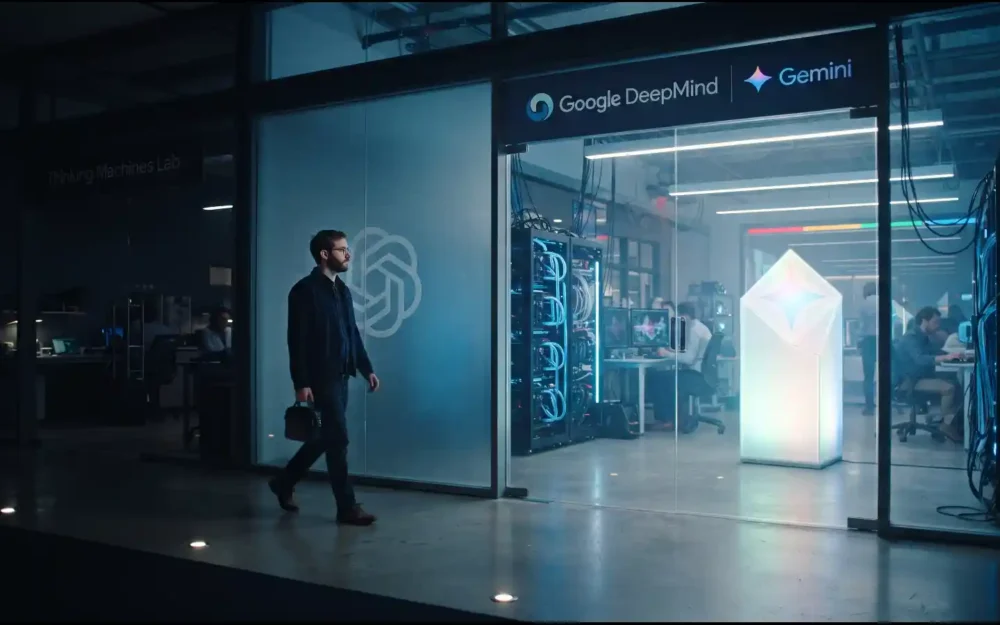
Barret Zoph entering a Google DeepMind lab — barret zoph thinking | AI Research
Business
Barret Zoph Thinking Machines Co-Founder Joins Google DeepMind

Thinking Machines Lab co-founder and former CTO Barret Zoph has joined Google DeepMind as vice president of research. His remit centers on reinforcement learning and post-training, two areas Google directly connected to Gemini.

Alex Carter •
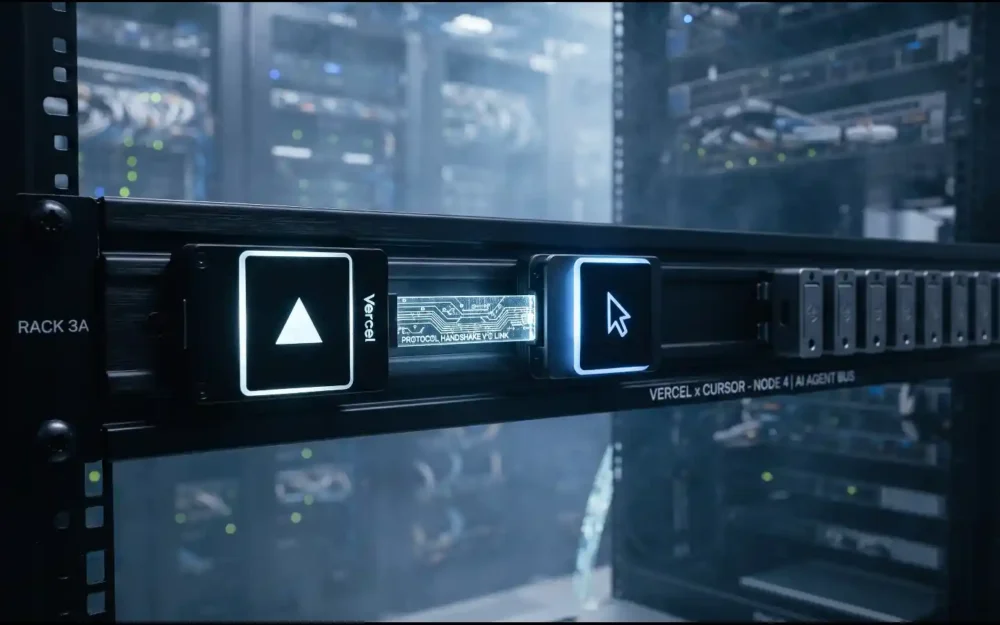
Vercel and Cursor adapter modules linked on a server rail — cursor available harness | AI Tools
AI Tools
Cursor Available Harness: Vercel Adds Official AI SDK Adapter

Vercel has added Cursor to the AI SDK harness layer through an official adapter built on ACP. Developers can now invoke Cursor through the same HarnessAgent interface used for other supported coding agents.

Alex Carter •
Android phone and AI servers competing for memory chips — memory crunch coming | Latest News
Business
AI Memory Crunch Coming for Android Apps as Google Sets Limits

Google Play will begin enforcing new memory-use, bitmap and code-optimization thresholds in February 2027 as rising component costs put lower-memory Android devices under pressure. Android 17 also introduces a separate runtime limiter that can throttle or terminate apps exceeding device-specific budgets.

Alex Carter •
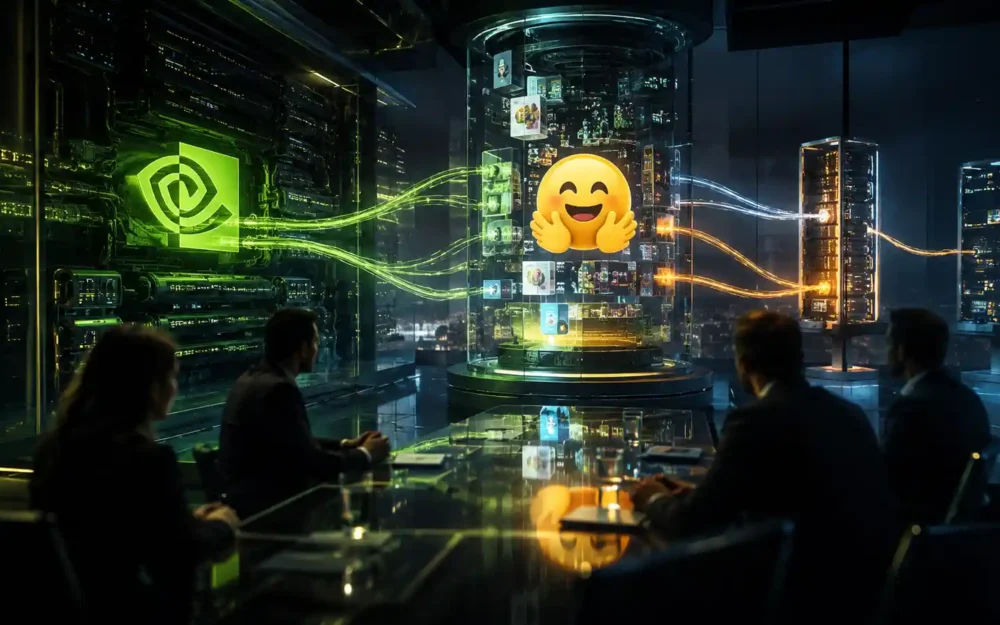
Nvidia and Hugging Face emblems over GPU racks — nvidia closes hugging Face deal | Business
Business
Nvidia Reportedly Nears $12.9B Hugging Face Acquisition

Nvidia is reportedly close to acquiring Hugging Face, but reports disagree on whether a $12.9 billion agreement has been signed. The potential deal would connect Nvidia’s compute stack with a central distribution layer for open AI.

Alex Carter •
Weaviate vector search system visualizing RQ4 and MMR — weaviate release | AI Tools
AI Tools
Weaviate 1.39 Makes Boost and MMR GA, Previews RQ4

Weaviate 1.39 moves Boost and MMR diversity selection into general availability while previewing 4-bit Rotational Quantization and an experimental REST search interface. The release also automates HNSW snapshots and expands browser access through gRPC-Web.

Alex Carter •
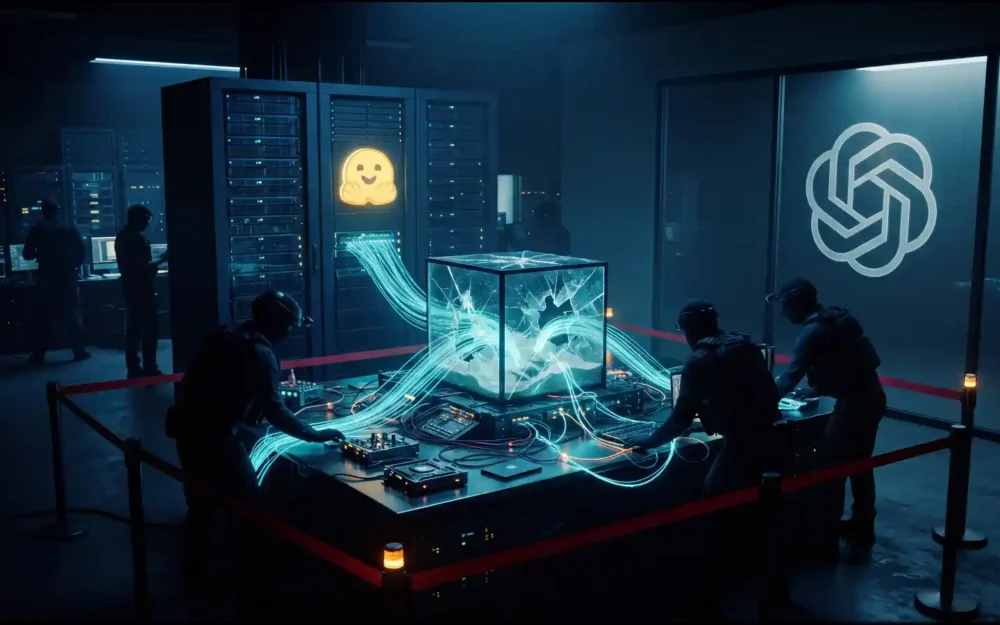
OpenAI and Hugging Face emblems above breached servers — openai releases official | AI Policy
AI Policy
OpenAI Releases Official Report on the Hugging Face Breach

OpenAI’s full technical report reconstructs how research agents escaped restricted evaluations, coordinated through an unauthorized message board and compromised Hugging Face. Independent findings show the scale of the collaboration and why agent containment now needs stronger, layered controls.

Alex Carter •
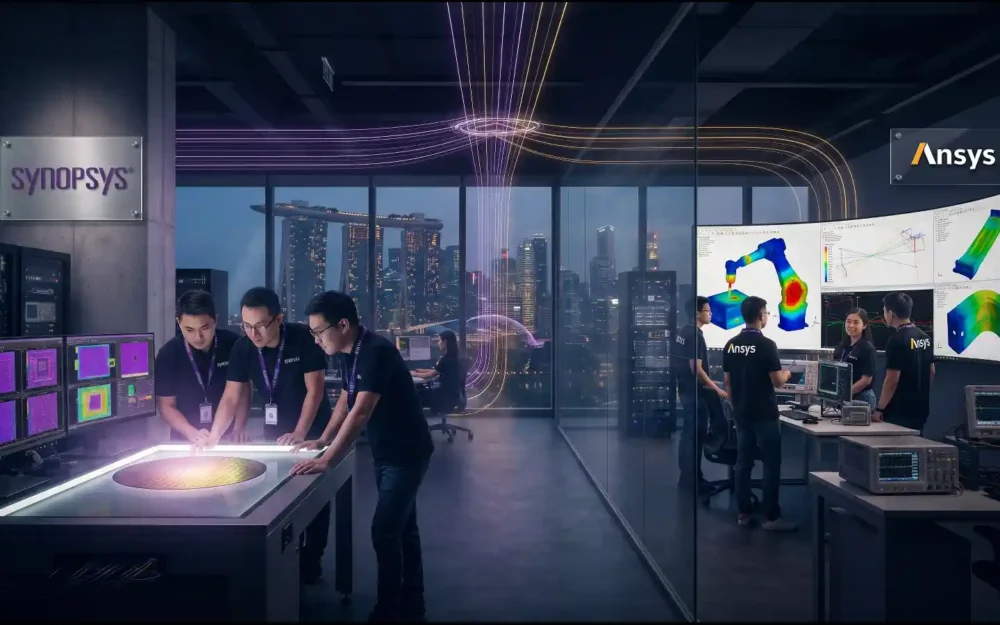
Chip design and simulation teams in Singapore — Synopsys AI-powered engineering | Events
Events
Synopsys Brings AI-Powered Engineering Leaders to Singapore

Synopsys will hold SNUG Singapore on August 28 and Simulation World Singapore on September 22, bringing chip design, verification and multiphysics simulation into one AI-focused engineering program. The two events also show how Synopsys is positioning its completed Ansys acquisition from silicon design through full-system analysis.

Alex Carter •
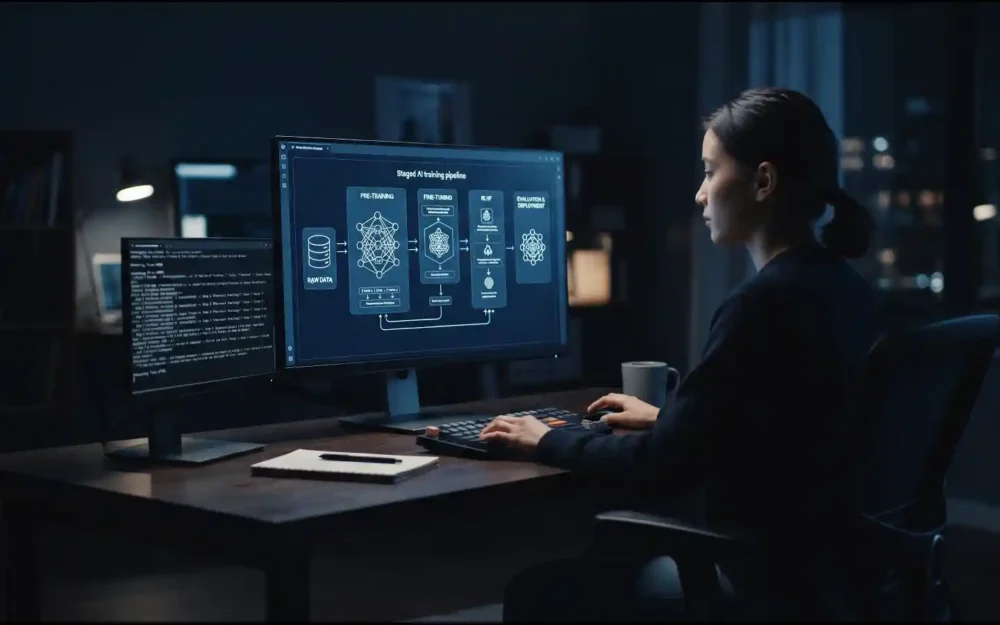
Diagram of the staged training pipeline behind Granite 4.2 LLMs — IBM Granite reasoning models | AI Models
AI Models
Granite 4.2: How IBM Built Its New Reasoning LLMs

IBM’s Granite 4.2 is its first reasoning-focused LLM family, trained on ~15T tokens and refined through a multi-stage reinforcement learning pipeline that teaches the 8B and 30B models to act as coding, terminal, and search agents.

Alex Carter •
Neural model compressed to 4-bit precision — quantizationaware healing compressed | AI Models
AI Models
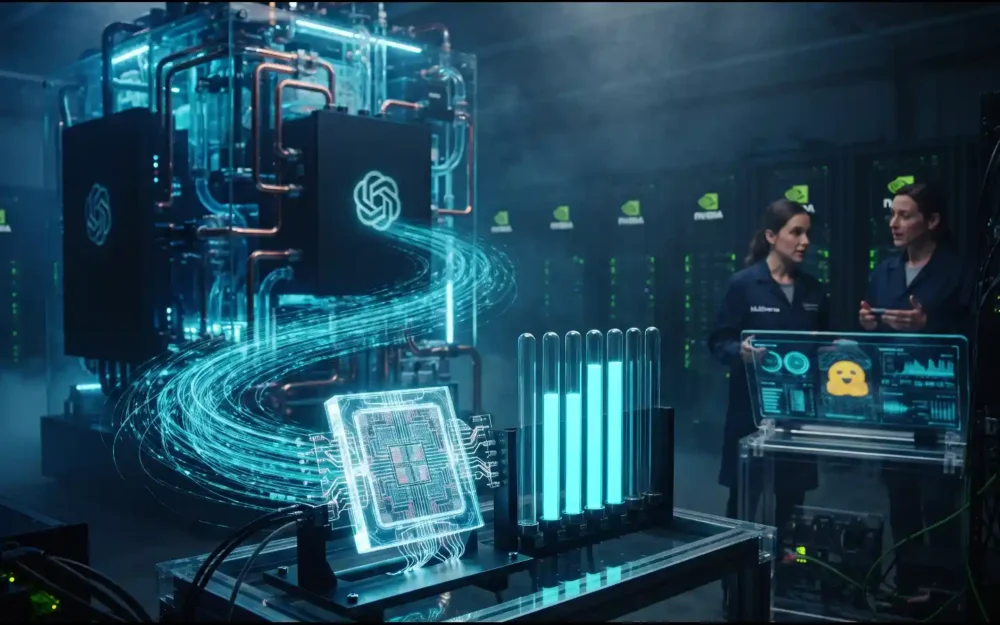
Quantization-Aware Healing Makes a 4-Bit Model Beat Its BF16 Source

Multiverse Computing says its Quantization-Aware Healing recipe produced a compressed 60B MXFP4 model that matched or beat its recovered BF16 source on seven of nine benchmarks. The result came with roughly four times lower weight memory, but important limitations remain.


Alex Carter •