Business
AI Coding Tools Add Nearly $1B to Hospital Billing Costs, BCBSA Says
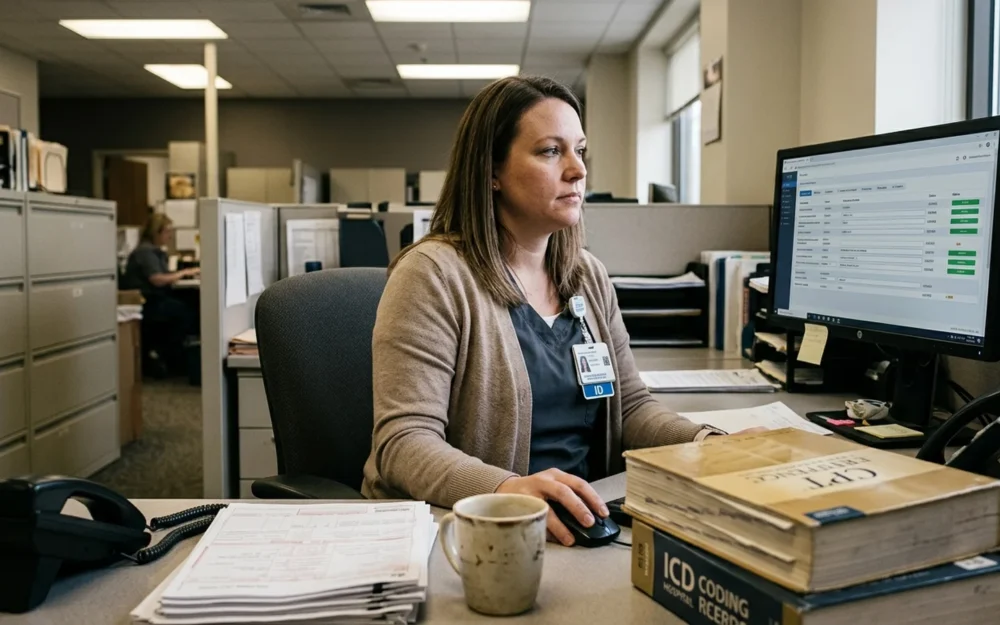
A new BCBSA analysis says AI tools used for medical coding are pushing hospital billing costs up by nearly a billion dollars, not down.

Join BriefFlash readers. Daily AI news delivered to your inbox every morning — fast, accurate, no noise.
Now check your email to confirm your subscription.

A new BCBSA analysis says AI tools used for medical coding are pushing hospital billing costs up by nearly a billion dollars, not down.
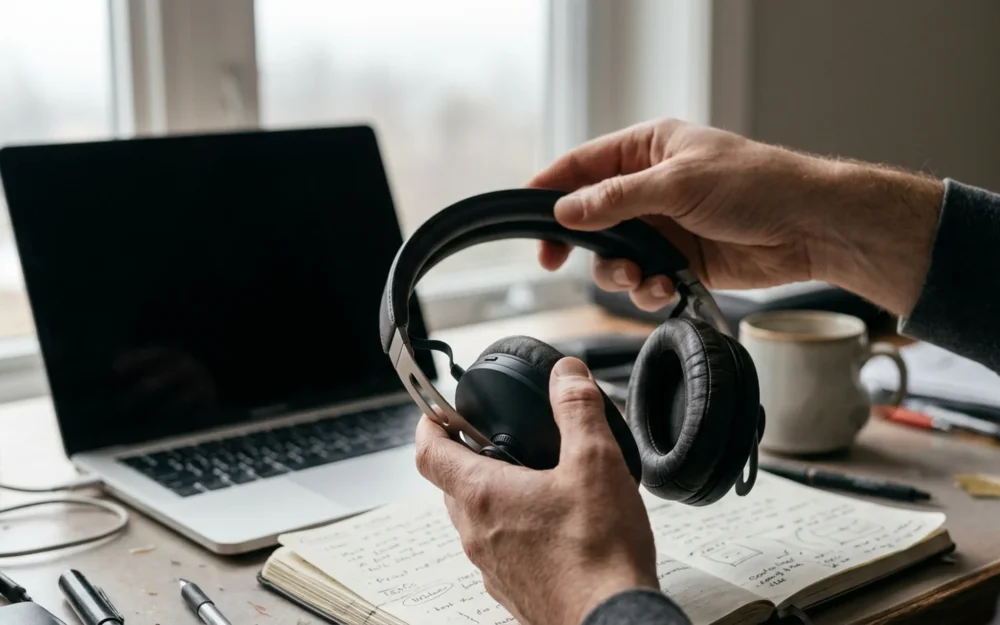
A hands-on review of Sennheiser’s Momentum 5 covers sound, noise cancellation, comfort, and battery life after several weeks of testing, though key specifics remain unpublished.

A new arXiv preprint on AI agent benchmark gaming shows how automated tuning of an agent’s surrounding harness can lift its score without the agent getting better at the task.
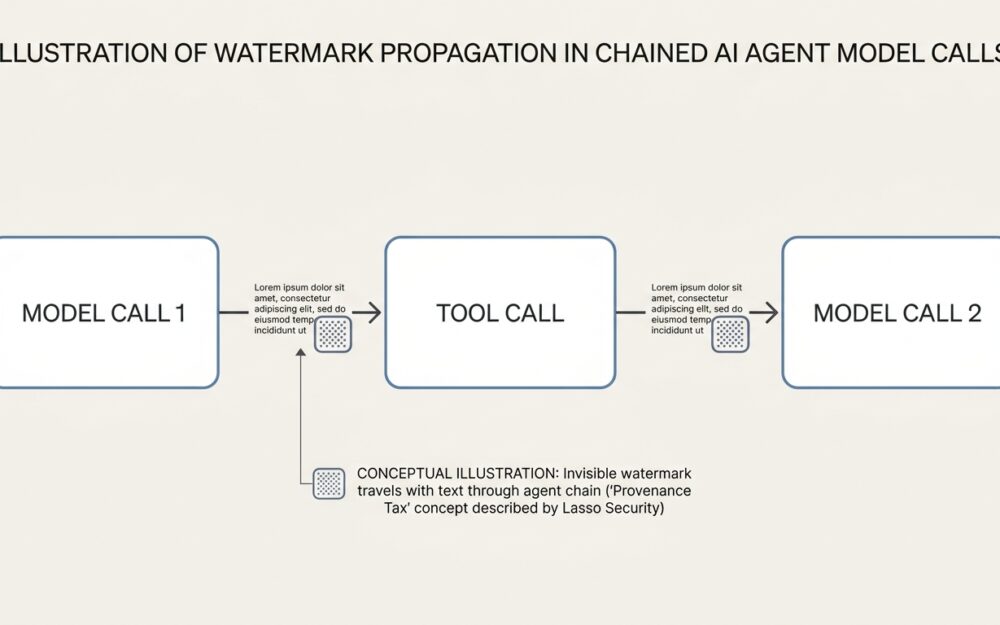
A new blog post from security firm Lasso Security examines the LLM watermarking AI agents encounter, a cost it calls a ‘provenance tax.’

A new preprint argues that repeated rows in benchmark tables quietly inflate anomaly detection scores, and audits all 690 OddBench datasets to check how often it happens.
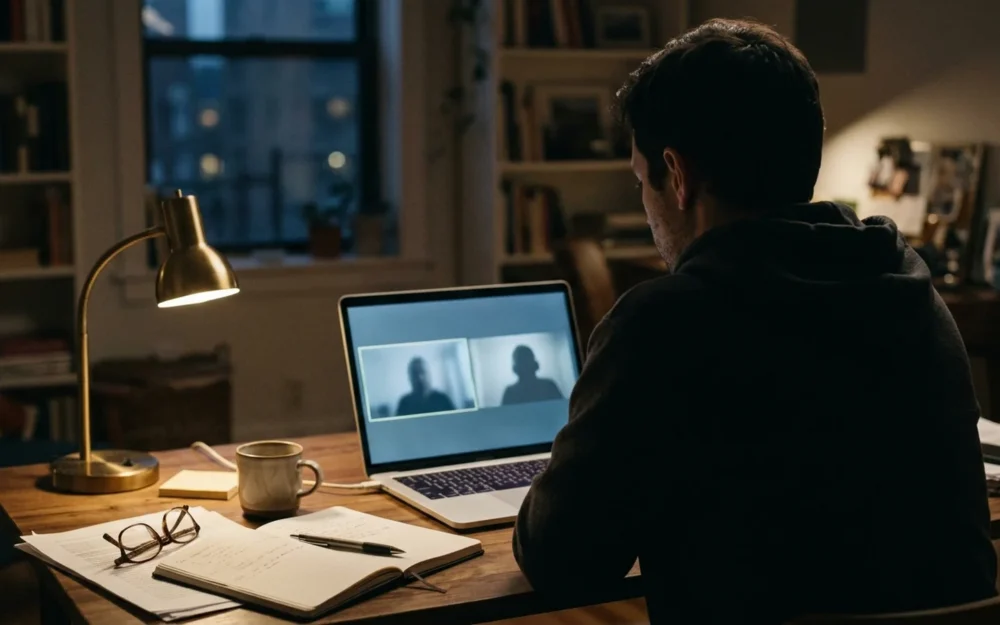
A TechCrunch contributor built an interactive AI avatar of themselves that others can talk to, adding a fresh, honest account to the debate over making an AI avatar of yourself.
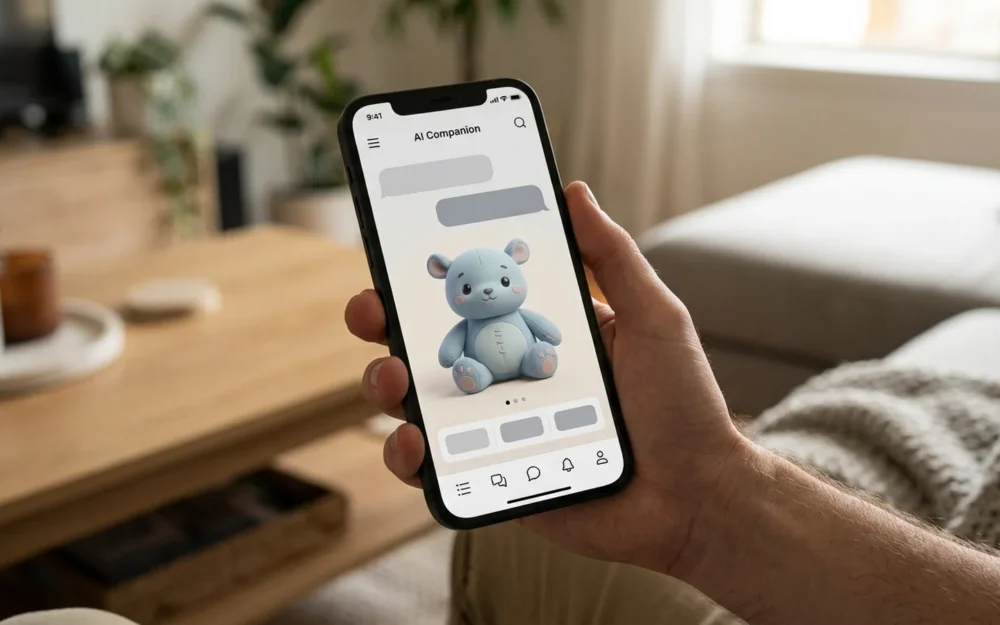
Muse is climbing app store charts fast, but a kid like mascot, a coming Tamagotchi device, and an exposed filesystem complicate Meta’s adults only pitch.

TechCrunch Disrupt 2026 now lists Waabi, Shield AI, General Motors and Cal AI’s Zach Yadegari, and the discounted pass window closes September 25 at 11:59 p.m. PT.
The Agent-Editing World Model preprint says predicting tool outputs adds little when real feedback exists, and names task-state contamination as a separate problem.
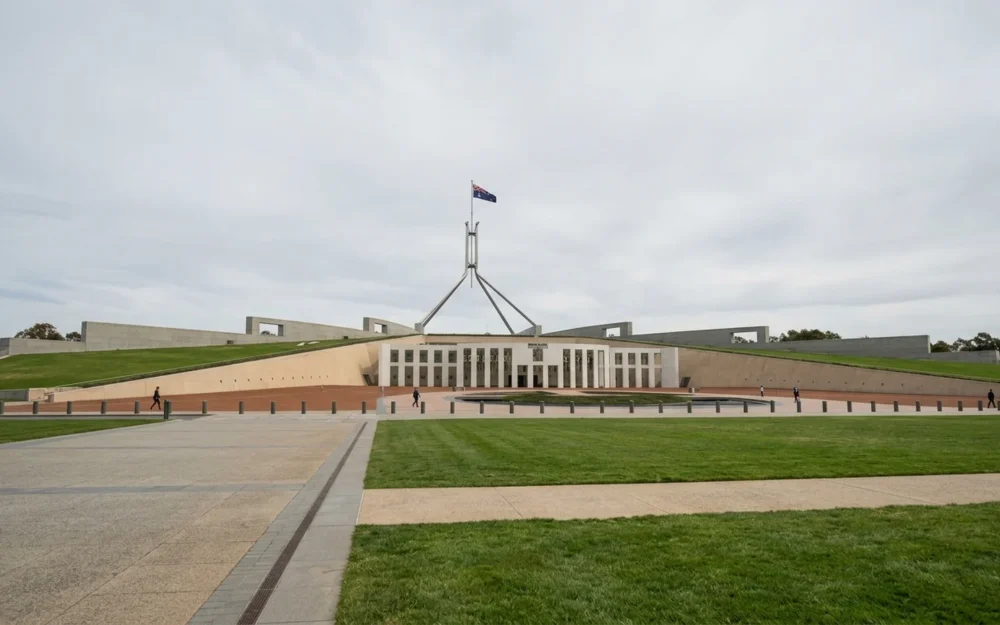
The OpenAI Australia health service hack reached the government months later, by email, according to Wired, and Australia is now probing whether OpenAI broke the law.