Founder and Editor-in-Chief of BriefFlash. AI analyst and tech journalist with 5+ years of experience tracking artificial intelligence breakthroughs, large language models, enterprise adoption, and AI policy. Also the founder of BoostStash.com.
Nvidia CEO Jensen Huang says AI safety is an engineering problem, not a legal one, and that the industry doesn’t need new regulation. His June comments to the AP tell a more complicated story.
Anthropic and OpenAI are pushing for coordinated AI safety regulation just as enterprise demand builds for cheaper, less regulated open source models from China, leaving buyers to hedge against a regulatory outcome nobody can yet predict.
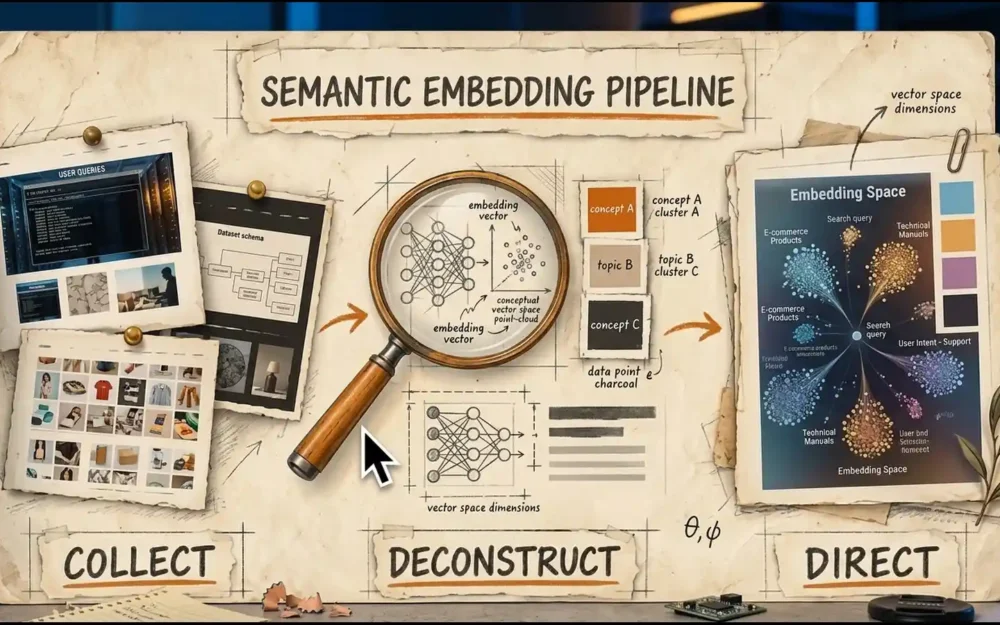
Google Research says its new Retrieve-for-Train framework trains AI search’s query decomposition once, offline, instead of reasoning through it live, cutting fan-out latency from nearly 50 seconds to under a few, per its own benchmarks.
OpenAI has acquired smartphone camera startup Glass Imaging in a deal worth more than $300 million, the Wall Street Journal reported. Neither company has confirmed it.
Google’s Gemini 3.8 Live and Gemini 3.8 Live Extended Thinking models went live on Vercel’s AI Gateway on September 15, 2026, but Google’s own documentation hasn’t caught up to the name yet.
Abnormal AI has put Amazon Bedrock AgentCore’s Code Interpreter into production as the compute layer behind its email threat detection agents. The zero trust sandbox claim behind it deserves a closer look given what independent researchers found in the same feature last year.
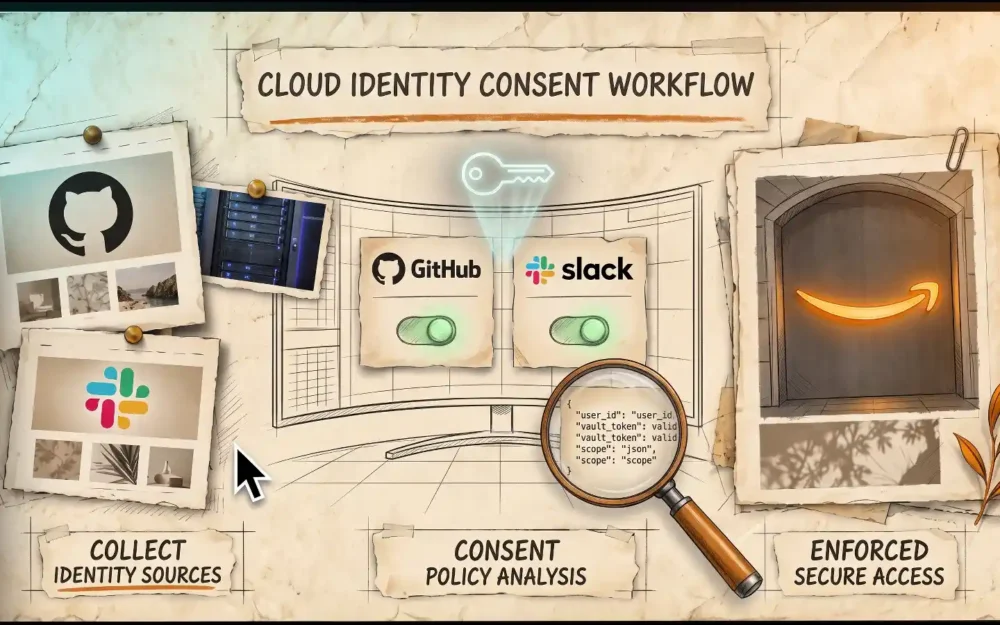
Amazon Bedrock AgentCore Identity now ships a managed Consent portal that handles end-user OAuth consent and session binding for AI agents, replacing the callback infrastructure developers previously had to build themselves.
Ninth Wave built Compass, a seven-agent AI onboarding assistant on Amazon Bedrock AgentCore, and a joint study with AWS claims it cuts bank API integration time by up to 95 percent.
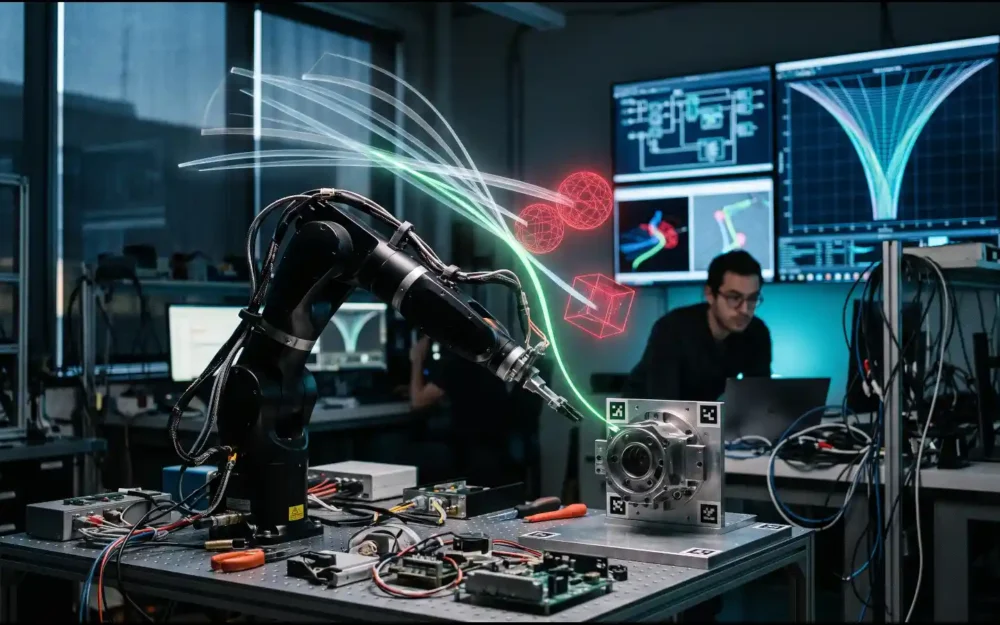
MIT researchers built an algorithm called HardFlow that lets pretrained generative AI models satisfy strict safety and physical constraints without retraining, hitting perfect constraint satisfaction across four simulated benchmark tasks against six rival methods.
OpenAI published a customer story on how Fyxer built its AI executive assistant. The funding history, independent reviews and security claims tell a messier story than the case study alone.