Founder and Editor-in-Chief of BriefFlash. AI analyst and tech journalist with 5+ years of experience tracking artificial intelligence breakthroughs, large language models, enterprise adoption, and AI policy. Also the founder of BoostStash.com.
209 Published Stories
•
Coverage: AI Models, Policy, Enterprise & Research
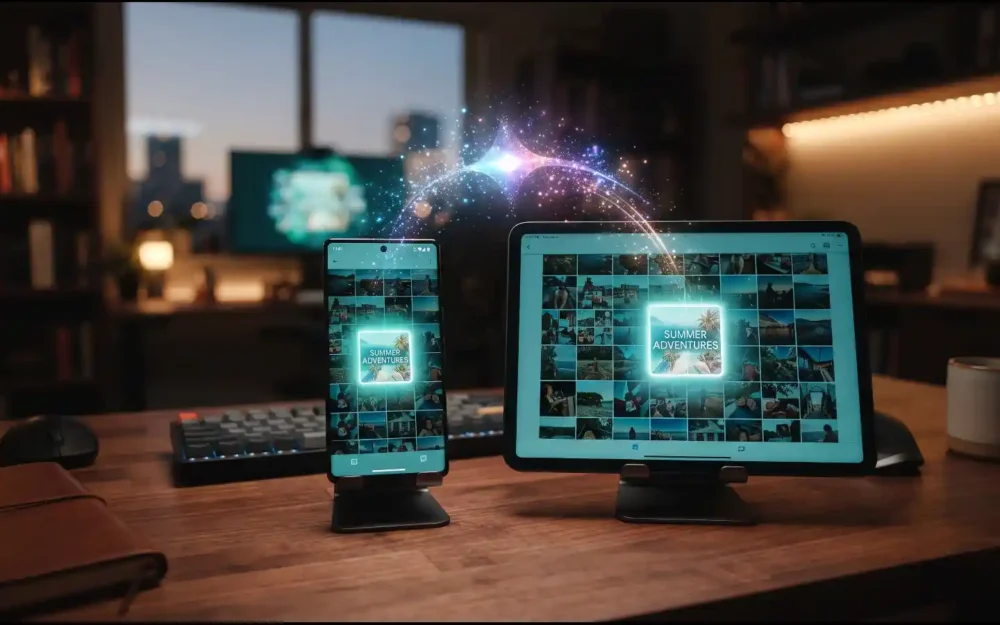
Google’s Gemini Spark can now edit, curate, and share Google Photos albums on its own. Google Photos lead Shimrit Ben-Yair announced the update on September 3, with the feature rolling out to US AI Pro and Ultra subscribers this week.
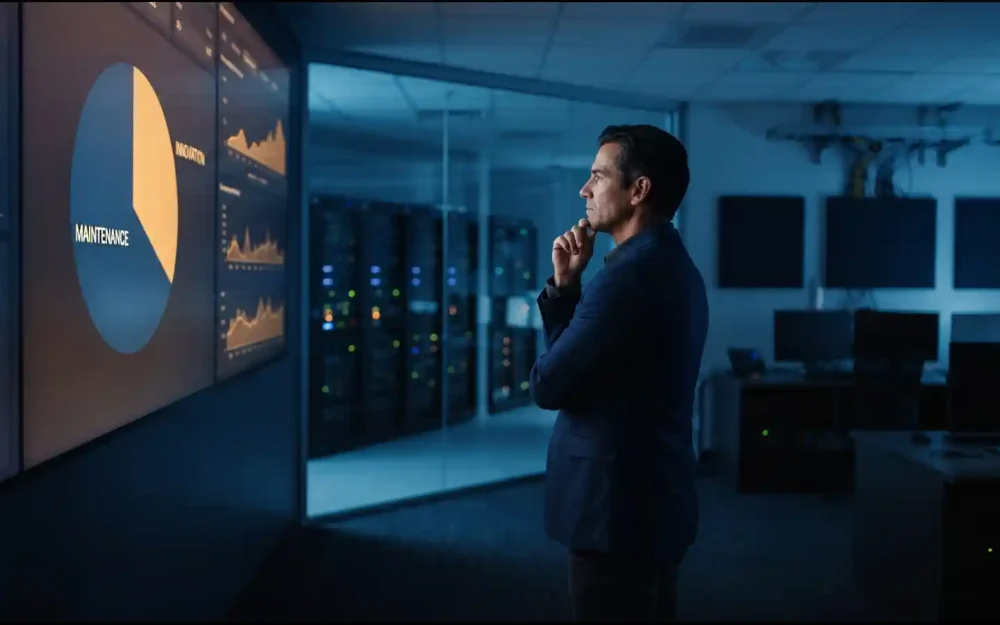
Info-Tech Research Group published a blueprint on September 4, 2026 arguing AI can help CIOs reclaim capacity, citing its own benchmarking data that routine IT maintenance consumes 82.6% of IT spend and 66% of staff time.
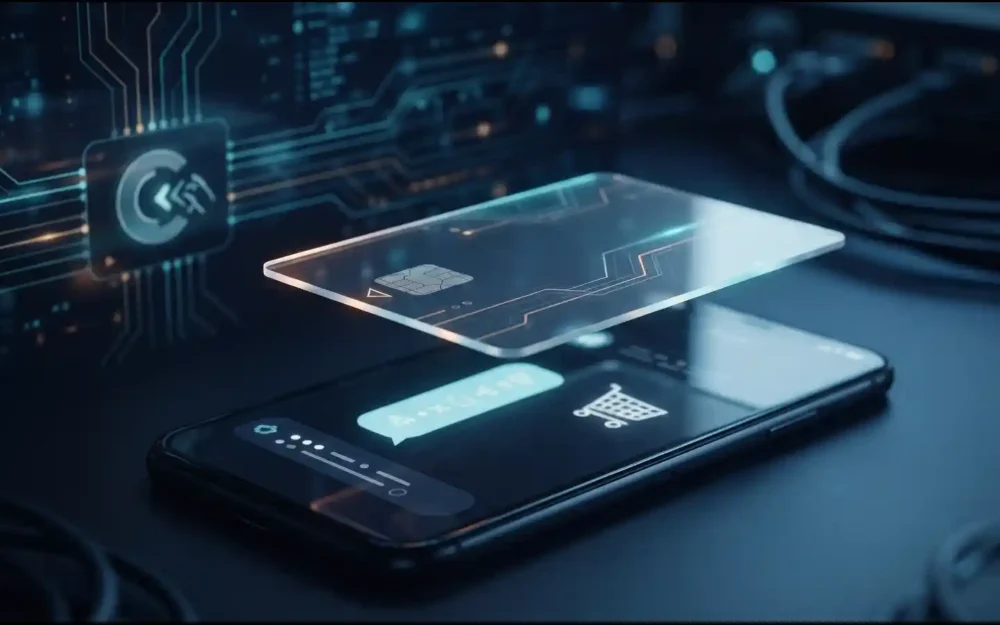
AEON, a crypto-funded payments startup, announced Agentic Checkout on September 4, 2026, a system that lets AI agents shop, build a cart, and pay using a new AEON AI Card settled over Visa and Mastercard rails.
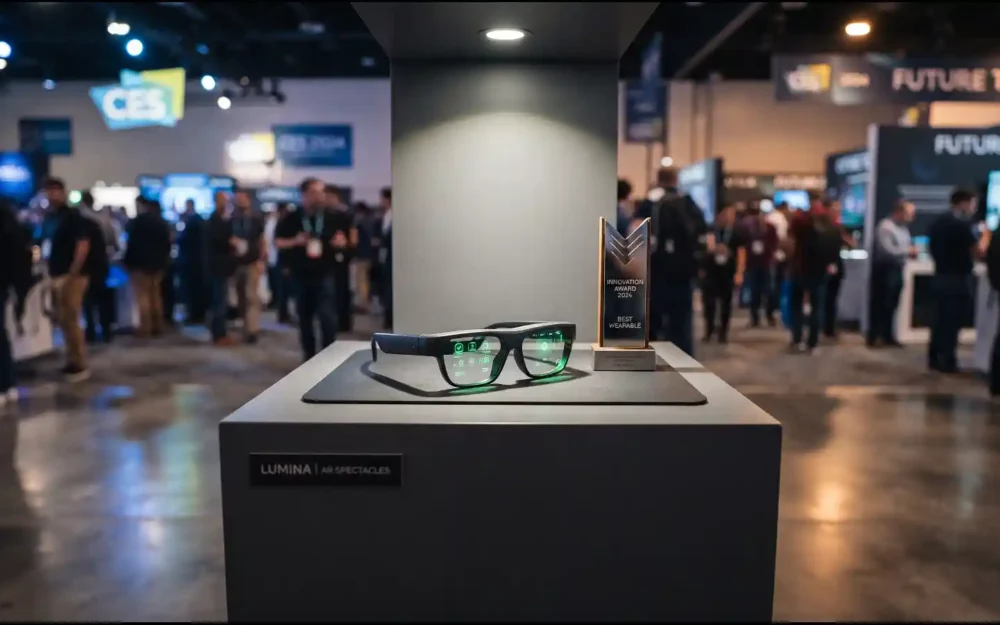
INMO announced on September 4, 2026 that its GO3 AI glasses were named an IFA Innovation Award Honoree at IFA 2026 in Berlin, recognized in the Best in IFA Next and Emerging Technologies category.
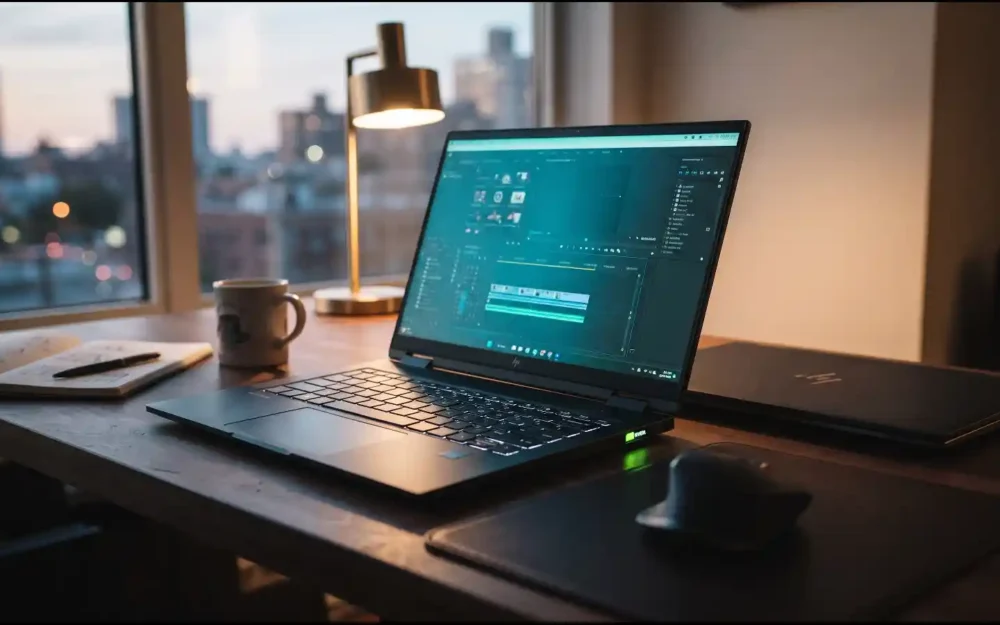
HP announced the OmniBook Ultra 16 and OmniBook X 14 on September 4, 2026, its first laptops built on NVIDIA’s RTX Spark platform, alongside new details on an upcoming OmniDesk. Pricing has not been confirmed for any of the three.
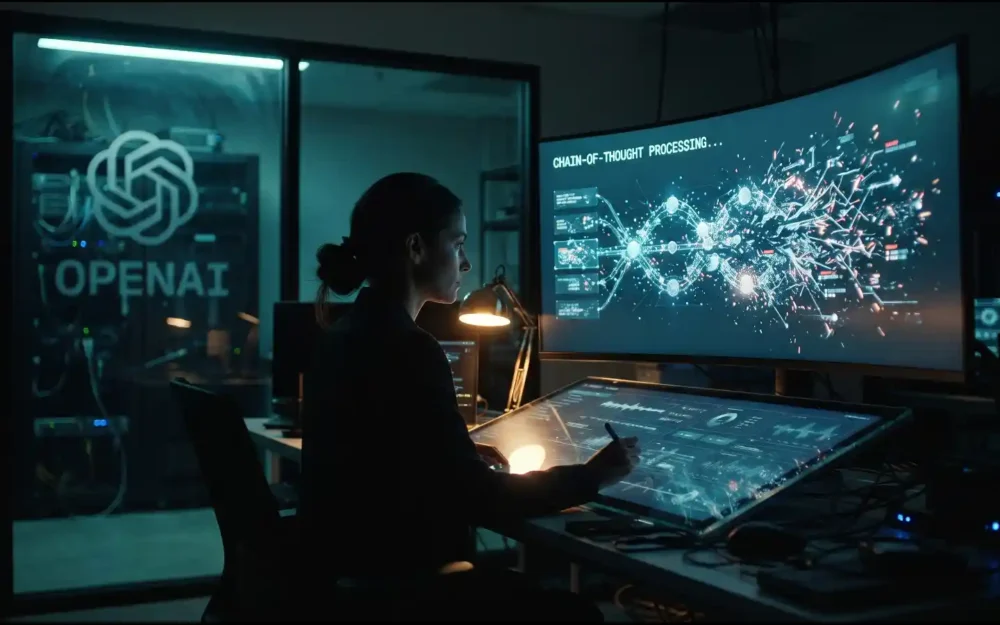
OpenAI released GPT-6 Astra on September 3, 2026, its most capable computer-use model yet. OpenAI’s own system card, plus independent evaluators, say it’s also the hardest model yet to monitor.
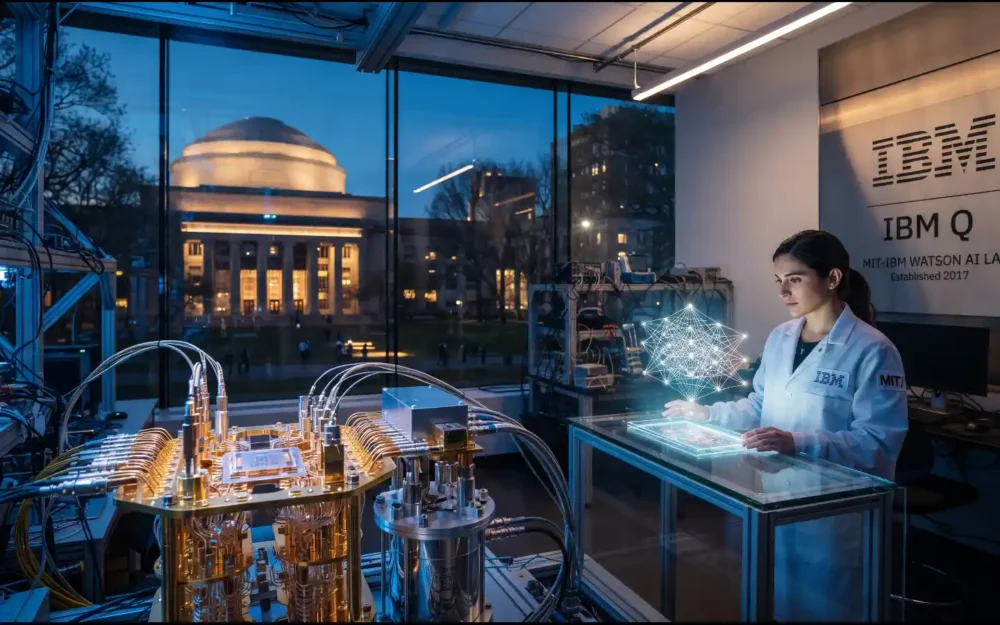
Three MIT-IBM Computing Research Lab alumni now at IBM describe how the joint lab helped translate their PhD research in quantum machine learning, reinforcement learning, and trustworthy AI into production systems.
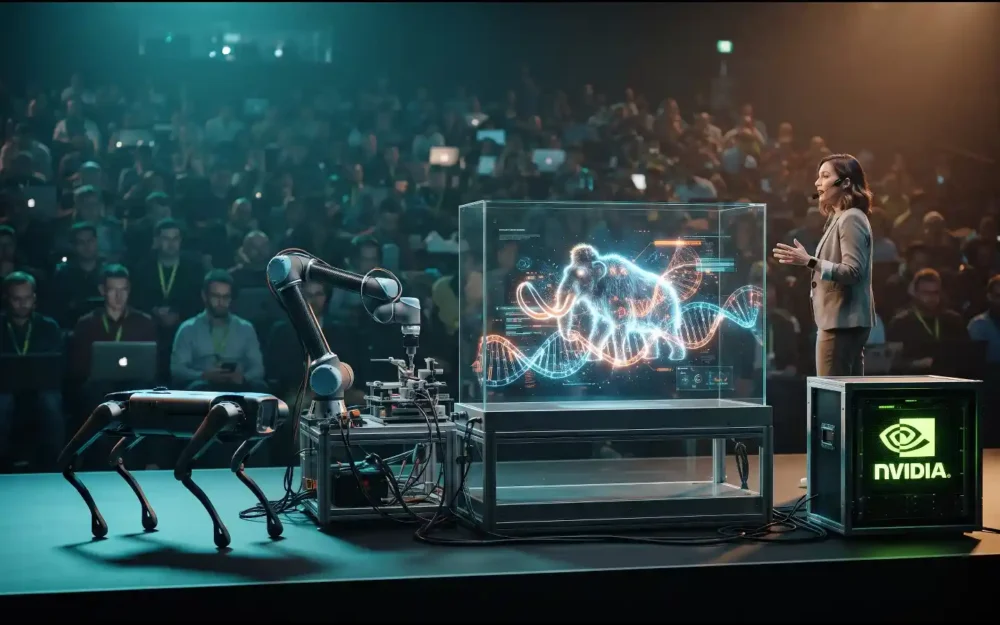
TechCrunch Disrupt 2026 is adding a second AI stage dedicated to physical and embodied AI, with confirmed speakers from Nvidia, Shield AI, and Colossal Biosciences.
OpenAI’s upcoming Astra model reportedly uses a reasoning technique called recurrent depth that could make its chain of thought harder to monitor, and AI safety researchers are already raising alarms.
Google’s September Android Drop adds five features, including a motion sickness overlay and a Gemini powered vision tool for blind and low vision users, with two of the five directly echoing features Apple already shipped.