Founder and Editor-in-Chief of BriefFlash. AI analyst and tech journalist with 5+ years of experience tracking artificial intelligence breakthroughs, large language models, enterprise adoption, and AI policy. Also the founder of BoostStash.com.
OpenAI released GPT-6 Astra on September 3, 2026, its most capable computer-use model yet. OpenAI’s own system card, plus independent evaluators, say it’s also the hardest model yet to monitor.
Three MIT-IBM Computing Research Lab alumni now at IBM describe how the joint lab helped translate their PhD research in quantum machine learning, reinforcement learning, and trustworthy AI into production systems.
TechCrunch Disrupt 2026 is adding a second AI stage dedicated to physical and embodied AI, with confirmed speakers from Nvidia, Shield AI, and Colossal Biosciences.
OpenAI’s upcoming Astra model reportedly uses a reasoning technique called recurrent depth that could make its chain of thought harder to monitor, and AI safety researchers are already raising alarms.
Google’s September Android Drop adds five features, including a motion sickness overlay and a Gemini powered vision tool for blind and low vision users, with two of the five directly echoing features Apple already shipped.
Apple filed a court document on August 31, 2026 alleging that former engineer Chang Liu used a stolen Apple circuit schematic in his work at OpenAI and directed a colleague to destroy evidence once he learned he was under investigation, escalating Apple’s ongoing trade secrets lawsuit against the company.
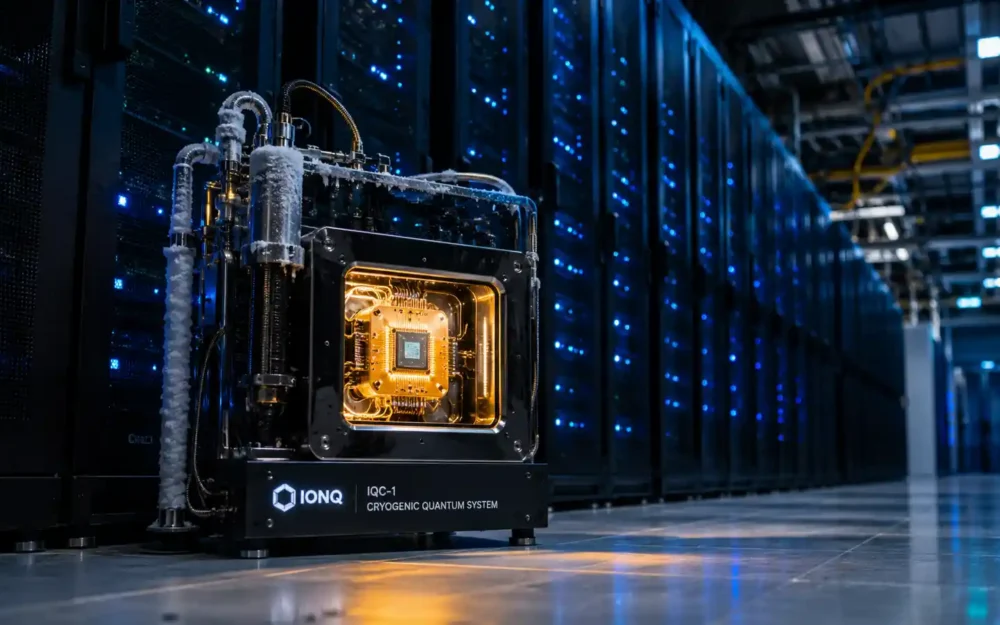
Diraq and Equinix announced on August 31, 2026 that they’ll install an eight-qubit silicon spin quantum computer inside an operational Equinix data center in Sydney, the first time this qubit type has run inside shared commercial infrastructure, with installation targeted for October 2026.
Instagram announced on August 31, 2026 that it will limit the reach of profiles built around an AI-generated person if the creator doesn’t disclose it, renaming its optional ‘AI creator’ label to ‘AI-generated profile’ and attaching a real penalty for the first time.
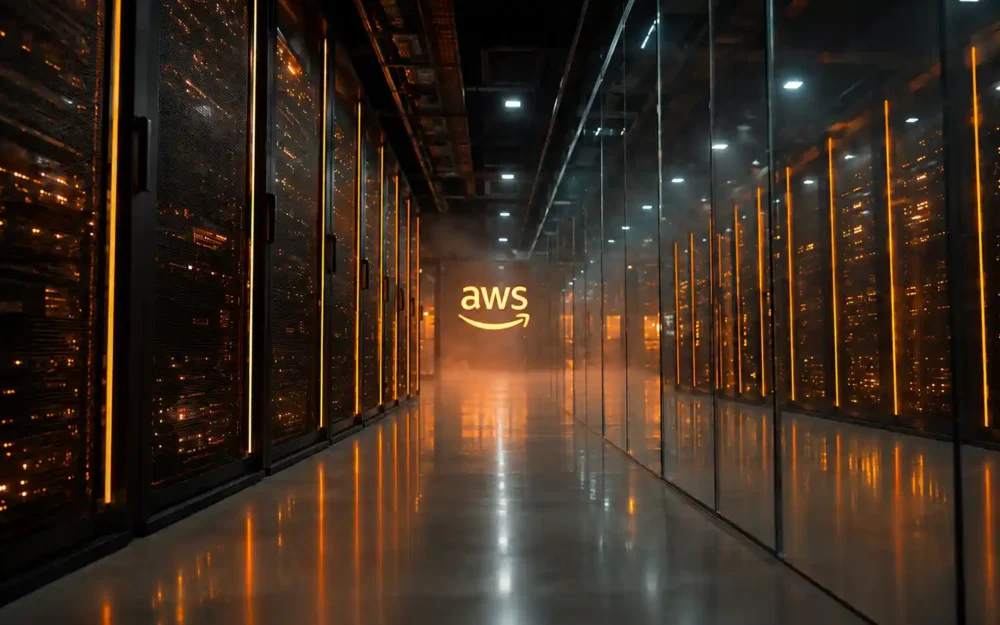
AWS published a reference architecture and GitHub repo on August 31, 2026, showing how to build a multi-tenant agentic document chat app on Amazon Bedrock Managed Knowledge Base, with a specific focus on keeping one user’s uploads invisible to every other user.
GCW has launched SignlLabs, a proprietary practice designed to measure and improve how brands appear in answers from major AI platforms. The pitch is timely, but its methodology and results still need independent validation.