AI Research covers the latest breakthroughs in artificial intelligence, machine learning, deep learning, and generative AI. Discover new research papers, benchmark results, academic studies, and innovations from leading universities, research labs, and technology companies.
BriefFlash reports on advances in large language models, computer vision, robotics, reinforcement learning, multimodal AI, and scientific discoveries. Stay informed with expert analysis of the latest developments shaping the future of artificial intelligence.
OpenAI has released GPT-6 Astra, its most capable model yet and the first to cross its own Critical cybersecurity threshold, while president Greg Brockman declares an ‘AGI era’ that independent analysts call premature.
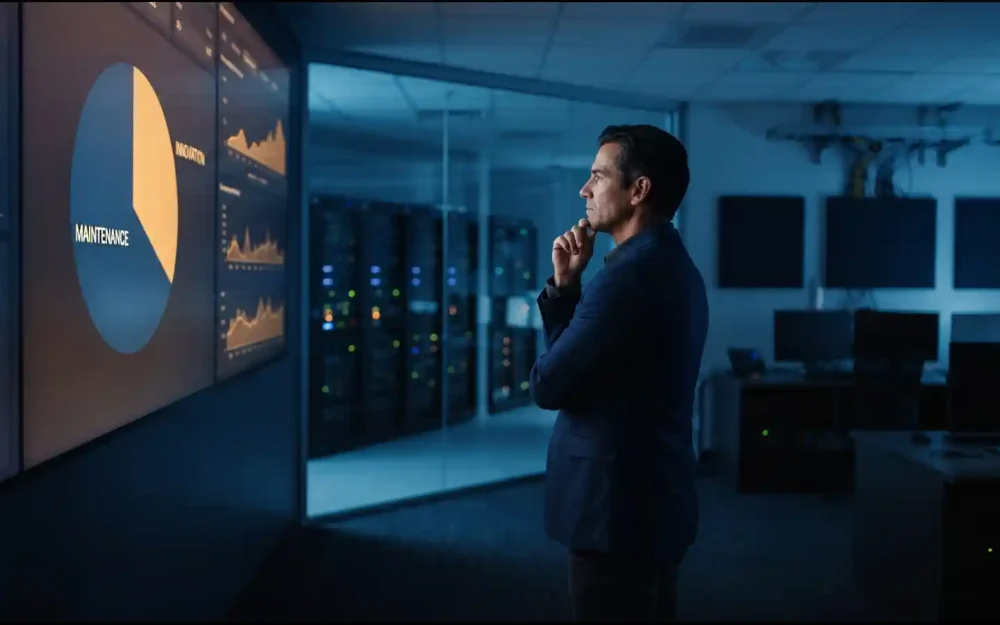
Info-Tech Research Group published a blueprint on September 4, 2026 arguing AI can help CIOs reclaim capacity, citing its own benchmarking data that routine IT maintenance consumes 82.6% of IT spend and 66% of staff time.
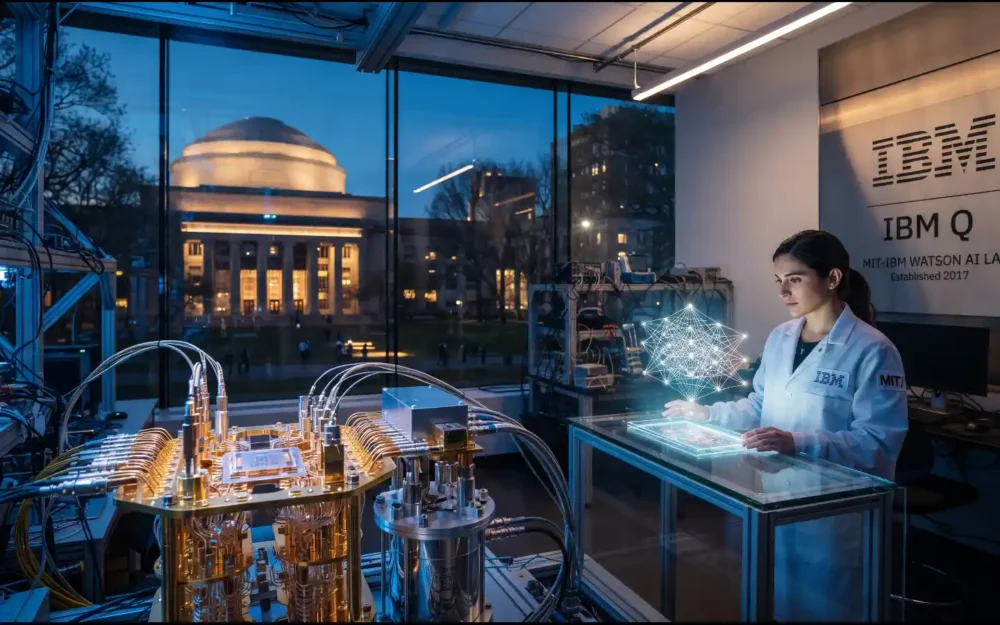
Three MIT-IBM Computing Research Lab alumni now at IBM describe how the joint lab helped translate their PhD research in quantum machine learning, reinforcement learning, and trustworthy AI into production systems.
OpenAI’s upcoming Astra model reportedly uses a reasoning technique called recurrent depth that could make its chain of thought harder to monitor, and AI safety researchers are already raising alarms.
Anthropic published a paper showing that an automated system, guided by Claude, improved model performance on all 10 tested categories of misaligned behavior without hurting overall capability.
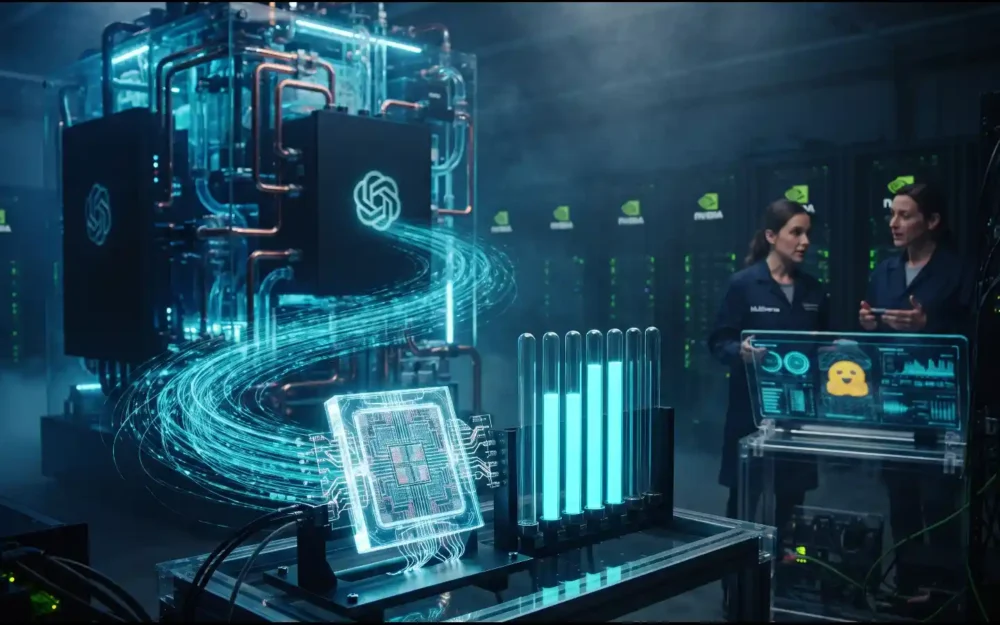
Multiverse Computing says its Quantization-Aware Healing recipe produced a compressed 60B MXFP4 model that matched or beat its recovered BF16 source on seven of nine benchmarks. The result came with roughly four times lower weight memory, but important limitations remain.
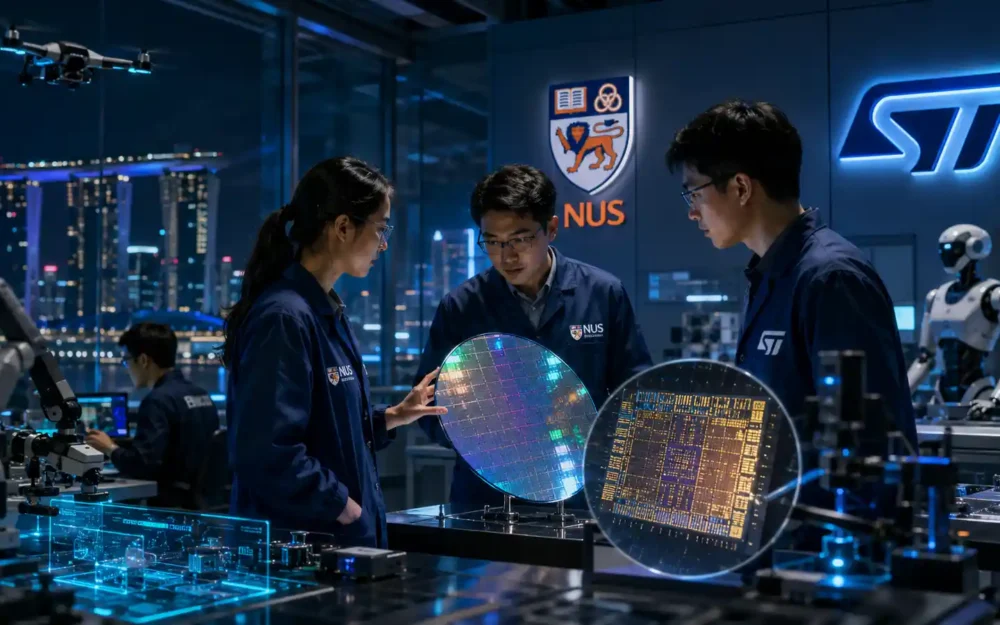
STMicroelectronics and NUS have opened the four-year HELIX Corporate Lab to research memory-centric, low-power hardware for edge and embodied AI. The program gives NUS researchers an industrial-grade 18nm FD-SOI and embedded PCM platform, but no prototype benchmarks or product timeline have been announced.
London startup Inherent, founded by Google DeepMind alumni, says its AI agent Faraday outperformed much larger models from Anthropic and OpenAI at independently reproducing published scientific findings, using a fraction of the parameters.
A new assessment from Guidelight AI Standards finds that Anthropic, Google, Meta, and xAI have published little about how they’d contain a model that breaks free of human control, while OpenAI scored highest but still lacks a formal future-incident plan.
NVIDIA’s AVO agent system used Claude Opus 5 to complete every level in ARC-AGI-3’s public set, highlighting the importance of memory, tools, feedback, and supervision. The result is impressive, but NVIDIA cautions that it is not a controlled measurement of the harness’s contribution and does not cover the benchmark’s private sets.